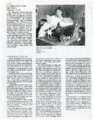
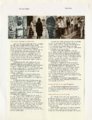
| OCR Text |
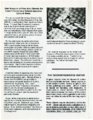
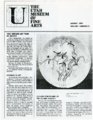
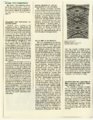
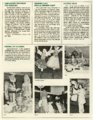
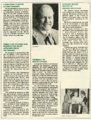
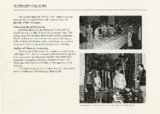
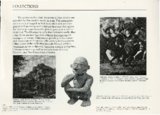
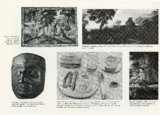
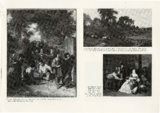
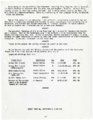
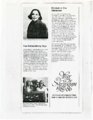
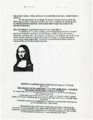
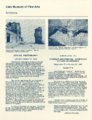
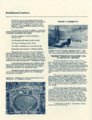
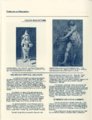
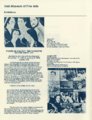
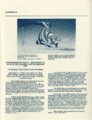
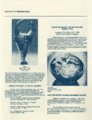
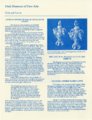
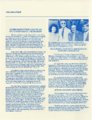
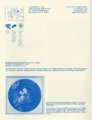
Show Exhibitions\Collections So that the next time we step out from the walkway to our seats at Yankee Stadium, it looks to us 'just like that Fasanella painting' and like writer Lesley Hazleton, we 'gasp at tfle perfect greenness of it.' Their art becomes a part of us, a part of our experience. RECENT ACQUISITION The Diamonds are Forever exhibition is organized into five themes each highlighting specific feelings, events or memories associated witfl baseball: The Place (Wrigley Field, Busch Stadium, Fenway Park) The Equipment (the ball, the mitt, the bat) The Players (DiMaggio, Ruth, Rose) The Action (a double play, a slide into home) Something Else (memories, childhood, spring) Among the works of art on view are Oldenburg's mitt and Bat Spinning at the Speed of Light. Warhol's Pop-Art image of the all-time base-hit leader Pete Rose, Pete Meyerowitz's color photograEh of little-leaguers in Provincetown, 1977, and Michael angenstein's Play Ball, in which the hand of God from Michelangelo's Creation of Adam on the Sistine Ceiling hands The Baseball to Adam. A fully illustrated 168 page book, edited by Peter Gordon with Sydney Waller and Paul Weinman, with an introduction by Donald Hall, accompanies the exhibition and will be available in the Museum Gift Shop. American Express believes the arts play an integral role in enhancing the quality of life for individuals, communities and nations. Night Game -- Yankee Stadium, 1961, Ralph .Fasanella, Oil on Canvas, 60" x 74", Collection of the Artist The Martyrdom of the Christians, Jean-Leon Gerome, (18241904), 011 on Canvas, 1988-14-1, Gift By Exchange from Mrs. Paul L. Wattis, Lloyd Anthony Ruocco and Ilse Hamann Ruocco. THE MARTYRDOM OF THE CHRISTIANS BY JEAN LEON GEROME A recent acquisition currently on exhibit is J. L. Gerome's Dernier Prieres des martyrs chretiens (c. 187080). This painting typlifys the exotic themes, romantic subject matter and academic influence which characterize Gerome's work. The painting depicts the fin al moments of a group of Christian martyrs in the Circus Maximus in Rome. The painting is probably one of two early versions Gerome worked on before completing the final 1883 version. The presence of precise pencil markings in the architectural detailing suggests Gerome originally intended to add to the painting. Also clearly ident1f iable is a group of figures which has been painted over, in the area of the foreground sand. Called pentimenti, meaning evidence of the artist changing the composition, the group of figures was eventually placed in a position similar to the final version. Gerome, who was an artist and professor at the Ecole des Beaux Arts in Paris, represented the academic establishment in 19th century France. He took numerous expeditions and safaris to the near East and Africa -which greatly influenced his subject matter. His works, while very popular during his own time, especially with American collectors, began to decline in popularity after the turn of the century. These academic works, with their emphasis on romantic themes and exotic subject matter, were seen as 'old fashioned' by his late contemporaries. -- Valerie Kidrick, Director, Braithewaite Gallery, Southern Utah State College |