| OCR Text |
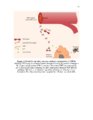
Show 182 neuronal recovery or plasticity by PNN degradation, it is uncertain whether such nonspecific degradation or inhibition of CSPGs will be beneficial for the CNS in long-term. It has been shown that scar formation may have beneficial role of limiting the injury and restricting the infiltration of inflammatory cells (19). Therefore, limited or transient degradation of CSPGs may be required for optimal recovery, thus making the time window of therapeutic intervention an equally important factor. Various growth-stimulating factors like Neurotrophin-3, Cyclic adenosinemono-phosphate (cAMP), and Sonic hedgehog have been used to stimulate axonal regeneration at scar sites (2, 20). Many such factors target endogenous progenitor cells that can be stimulated to produce neurons and associated cell members at the injury site. In addition, spinal cord-derived neuronal stem/ NPC cells can be transplanted to improve the regenerative capacity of the spinal cord and to facilitate the functional recovery of experimental models (3, 21). In order to provide a stimulus for these stem cells to differentiate, they are generally seeded in polymeric scaffolds that mimic the architecture of the healthy CNS tissues (3). However, instead of using synthetic polymers, GAG-based natural polymers can be developed to enhance the functionality of the scaffolds and to reproduce the molecular signals found in developing CNS. HA is an excellent candidate for such applications due to its biocompatibility and its ability to maintain tissue organization, facilitate ion transport, and promote cell proliferation and differentiation (22). HS and CS have numerous effects on neurogenesis and neurodifferentiation, which can be exploited in conjunction with growth factor |