| OCR Text |
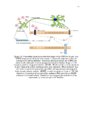
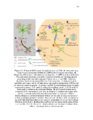
Show 29 association with appican, syndecan-1, syndecan-4, neuroglycan C, and phosphacan (187, 203, 204). In the study by Gama et al., it was shown that BDNF selectively binds to CS-E motif with 20-fold preference over those of CS-A and CS-C at physiologically relevant concentration (202). Moreover, surface plasmon resonance (SPR) experiments show that CS-E bound to MK as strongly as heparin, which was followed by other GAGs (205). Similarly, exogenously added CS-E and CS-D was seen to block pleiotrophin-RPTP-β interaction, resulting in abnormal morphogenesis of Purkinjie cell dendrites (206). The observations made on binding of highly sulfated CS with HS binding growth factors such as MK further strengthen the hypothesis that a combination of gross and fine structural features mediates interactions of HS and CS with common receptors. Furthermore, high sulfation density of CS-D and CS-E might structurally be more similar to HS in terms of charge distribution and the presence of 2S containing IdoA (in CS-D). Hence, these subtle features may enhance binding of CS motifs to HS-binding growth factors, leading to similarity in their growth promoting outcomes. In spite of evidence demonstrating the influence of distinct CS motifs on neurons, the underlying mechanistic pathways are not yet fully understood. Rodgers et al. demonstrated another aspect of CS-E signaling by modulating the neutrophin (NT)-tyrosine receptor kinase (Trk) interactions (207). CS-E, but neither CS-A nor CS-C, was shown to assemble the NT-Trk complex, which led to the formation of CS-E-nerve growth factor (NGF)-TrkA and CS-E-BDNF-TrkB complexes (207). NT-Trk binding mediates neurite outgrowth, differentiation, and |