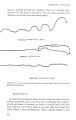
| OCR Text |
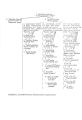
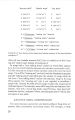
Show -ftWrrrrcwr 11LULULK ing the winter solstice celebration, just after the dancing is over. These are sometimes even passed on from one deer hunter to another without reference to the Coyote Society. The borrowing of Dance Songs, on the other hand, is common. Medicine Society Dance Songs are borrowed by kiva groups and altered to fit the structure of Kachina Songs. More commonly, individuals and informal groups borrow Kachina Society Dance Songs. In fact, all Love Songs, most lullabies, and many Powwow Songs are borrowed from Kachina Songs. There are three genres of Kachina Dance Songs: sawu??a -we, tesc^^a-we, and torn to' we (sec fig. 2.1).7 The sawu??a-we genre, which is named for the high-pitched screeches called sawu made in the ceremonial impersonation of female kachinas, and the tese??a -we, which is named for the soft tese sound made by striking the bundle drum,,.are performed in all four dance series: Winter, Summer, Harvest, and Shalako. The third genre, tomto-we, named for the loud tomo sound of the log drum, can only be performed during the Harvest, Shalako, and the nonrequired part of the Winter Series. KACHINA SONG STRUCTURE According to Zuni composers and dancers, the structure of all Kachina Dance Songs, regardless of genre, consists of five main )arts, each with several subsections. There are two kwayinanne, 'to :ome out with' [A], which are usually identical to each other. These ire followed by two silnanne, 'to name it with' [B], which are also lsually identical to each other, except that the second one often >cgins somewhat higher than the first. Finally there is another wayindnne or 'coming out' section [A], which is the same as the irst "coming out" section textually, but begins higher than any pre-ious section. The large overall structure is: A A B B A.8 These erms, kwayinanne and silnanne, arc common knowledge; they occur i discussions during rehearsals and are used as cues during the per- 3rmance itself. The text of the kwayinanne "mentions the subject of ic song," and it is from this part of the song that the title comes. 'he text of the silnanne "talks about the subject of the song and rlIs what happened to it." |