| OCR Text |
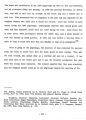
Show their shrines at Kolhu/wala:wa, unmolested and freely. But within four years of the time when the first U. S. representative learned of the shrines, they had been looted twice by government employees and a third time by someone who was likely out to make a profit by selling Zuni religious relics. Among the official representatives of the United States government, there was not understanding of the Zunis' religious rights, respect for their customs and ritual, nor honor for promises made. The government which had promised the tribe freedom of religion, was failing in large measure to protect the Zunis' rights. In the following years Bureau of Indian Affairs representatives seemed remarkably insensitive to the looting of Zuni shrines. Indeed, in 1919 James Willard Schultz, who lived in a little town to the west of Springerville, Arizona, sent the Zuni Superintendent a package containing prayersticks and beads he had collected on a mountaintop to the northwest of Kolhu/wala:wa asking if the Zunis could identify them. Superintendent Bauman replied: 143 The Zuni Indians say that the sticks or the beads are modern, especially the sticks. They say that the mountain where these were found is a shrine where they visit and pray for rain, also to hunt for beads in large numbers of which are known to be found in places there. They state that these black beads are called "black turquoise" by them. Zuni tradition is that that section was at one time the home of the Zuni. The beads were made by them then. The sticks when left there each had sacred feathers attached and each stick is a separate offering. One is to the rain, one to the sun, one to the moon and one to their ancestors, or people who have gone before. The Zuni heaven is located to the south and east of this mountain. I 143. Bauman to Schultz, August 15, 1919, Copies of Letters Sent, Zuni, RG 75, Denver Federal Center. The location discussed may be Denatsali Im'a or it could be one of the shrines visited on the Long H Ranch to the north of Kolhu/wala:wa. Edmund J. Ladd suggests that the Zuni word describing the black beads may have been "Tho'o:we" (sacred black things). - 93 - |