| OCR Text |
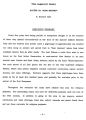
Show It is an account of a living, functioning, viable, vibrant culture that has withstood successive challenges and impacts with little change for over 700 years. In the 1400s, the Athapascan speaking came to Zuni land from the north; in the 1500s and 1600s, the impacts came from the south from Spain and Mexico; and in the 1800s, settlers came from the east as the U.S. westward movement brought "Western Civilization." All of these had little or no effect on the religious life of the Zuni. Far greater effects on the people came from the diseases introduced by the migrantst among them, smallpox, whooping cough and measles. Subtle changes were made in the Zuni economic and subsistence systems as a result of the introduction of draft animals, wheat, melons, and fruits, as well as technologies such as carts, formed adobes, and metal tools. Along with these things came some adaptations in the Zuni language. But the basic political and religious foundation, to this day, has stayed the same. Even the underpinnings of the pueblo's present civil government are oriented around the Zuni system. - 55 - |