| OCR Text |
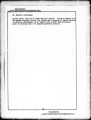
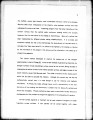
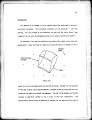
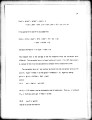
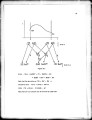
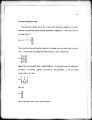
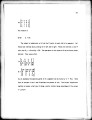
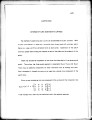
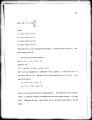
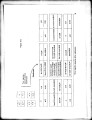
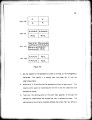
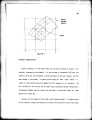
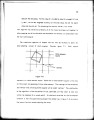
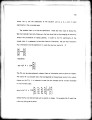
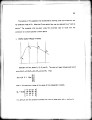
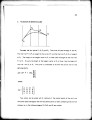
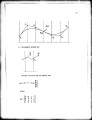
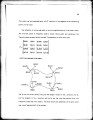
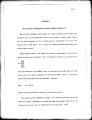
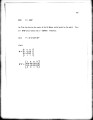
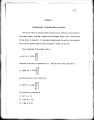
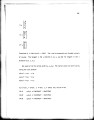
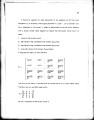
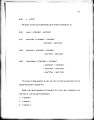
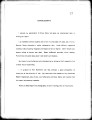
Show nnpiwviiLiiiii» ■ ii ii mv ii «■■.•< n ii mmvKr^^^mmmr' nw .1 tii'irwmmpmr^pt^w^m'f^iym-m ■• », 11 n >-.:. 58 Two cubics can be connected easily with C continuity if the tangents at the connecting points are the same. The extension to a bivariate patch Is not as straightforward as In the other cases. The bivariate patch is frequently called a bicubic Coons patch and sometimes the "hermlte tensor-product bicubic surface." The elements of the P matrix are: Q(0,0) 0(0,1) ! 0.(0,0) 0.(0,1)" p - 0(1,0) Q(i,i) ,0,(1,0) Q,(i,i) -- - - - - - i- -__ 0«(0,0) QJi0,l) |0-,(0,0) 0«,(0,1) Q-(1,0) 0-(U) i'O-d.O) QM.l) which corresponds to the patch 0,(1,0) QU(1(0) QJU) 0(1,0) 0(1,1) 0u(0(0) 0,(1,1) 0(0.0) 0(0,1) 0.(0,1) 0,(0,1) The Q are the corner points, the Qu are the tangent vectors in the u direction, the Qv are the tangents In the v direction, and the Q» are the cross derivatives which are frequently called the twist vectors. The twist vectors are sometimes set to zero which may cause "pseudo-flats" at the corners. - .„,, |