| OCR Text |
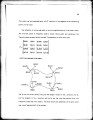
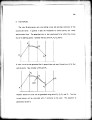
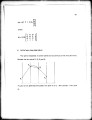
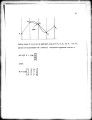
Show ■ .«■- pi .11 ii i .ii HI. .in ii -'''••*'•••'9i i,fmm»m>iww^mrr*'*»«ii" -■"■i",-> ■«■»"•■iiiii iini .i imuiiiiwiii iii iiiui . n'mmn^i^rrwmfi^w' ^mrmimifr* y CHAPTER TWO A GENERAL ALGORITHM FOR DISPLAYING CURVED PATCHES An algorithm for establishing a correspondence between points on a patch and raster elements is described in this chapter. It applies to patche". and surface sections in general, ^ence the algorithm presented will not be specific at the outset. Later on, when a specific Kind of patch is used, more detail will be given. Before presenting that algorithm, however, some terms must be defined. DEFINmONS A "raster-scan device" or "raster-display" is \bi device that we will consider for final output of an image. The rectangular array of "dots" that is produced on a raster-display is called the "raster." Each dot will usually be called a "raster-element." The raster element covers a very small area of the raster; however, It should not be thought of as a point. A row of raster-elements is a "scan-line." Scan-lines are usually prodi ced in sequential order, termed "scan-line-order." Each raster-element has a brightness that is determined by the intensity value for that raster-element. The process of taking the intensity values and putting the dots on the raster with the corresponding intensities is called "displaying." i mmmmu**^ i ■ - , - - |