| OCR Text |
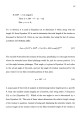
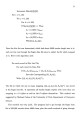
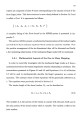
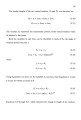
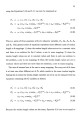
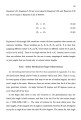
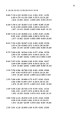
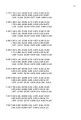
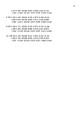
Show Increment Matrix[i][j][k]; Fori= 0 ... 255 For j = 0 ... 255 Fork= 0 ... 255 If Matrix[i][j][k] > 1 Then d1 = (i/255) * dmax; d2 = (j /255) * dmax; d3 = (k/255) * dmax; Write( { dt, d2, d3} ); 51 Once the hits list was determined, which had about 8000 tendon length sets in it, each set was run through the finger data file once to collect the Os which mapped to it. Here is the algorithm used: For each record in Hits List File For each record in Data File If { dt, d2, d3} Hits-List = { d1, d2, d3} Data-List Then Save the Corresponding { Ot, 02, 03}; Write ( { dt, d2, d3}, { Ot! B2, B3} +); The file in which the one to many mapping ( { d1 , d2, d3}, { 01, 02 , (}3} +) was stored is the finger hits file. It represents all tendon length triplets with more than one mapping to a (} triplet as well as the (} triplets themselves. This method was suggested by Michael Cohen of the University of Utah Department of Computer Science. This method was very quick. The program had to go through the finger data file of 850,000 records about 8000 times, plus the small overhead of going through |