| OCR Text |
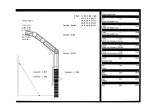
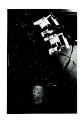
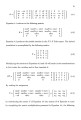
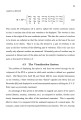
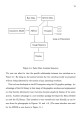
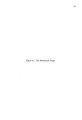
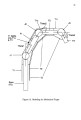
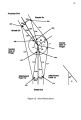
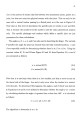
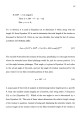
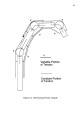
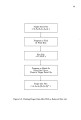
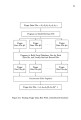
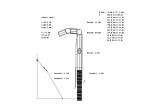
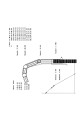
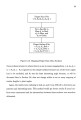
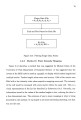
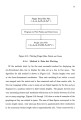
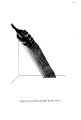
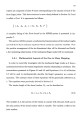
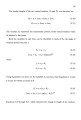
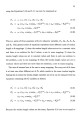
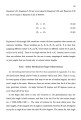
Show 43 used. Note that LL is a constant value, because it does not depend on the variable B. 5.3 The Mechanical Finger and Tendon Lengths The tendons are composed of two parts or lengths of tendon, a variable part and a constant part, as is show in Figure 5.4. This is a constant/variable view of the tendon. Certain places where a tendon lies · will remain constant as far as the length of tendon going through it. Other tracks the tendon follows from point to point are variable. The constant parts are: • Lengths of tendon that go between attachment points but do pass by a joint, i.e., the tendon that follows along a phalange, • Lengths of tendon that go between an attachment point and the point where the tendon comes in contact with a joint, • Lengths of tendon that follow along the base ( FO). Variable parts of tendons are: • Lengths of'tendon that are in contact with the joint, the S variable, which was derived in Equation 5.2, • Lengths of tendon that go between attachment points and pass by a joint, the Len variable, which was derived in Equation 5. 7. The constant/variable model of the tendon in a static setting is used to determine the tendon length that can be determined from .B values of the three joints in the finger. There are two important observations to be taken into consideration when modeling tendons along a finger. First, whether or not the ventral tendon comes into contact with the joint. If it does, the tendon around the joint should be modeled as |