| OCR Text |
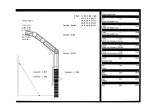
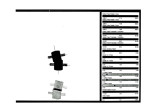
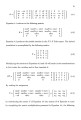
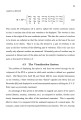
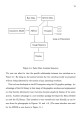
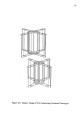
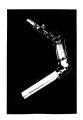
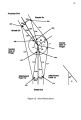
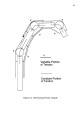
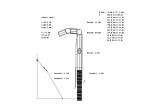
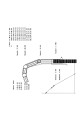
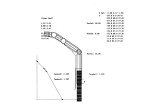
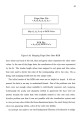
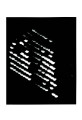
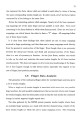
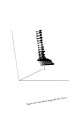
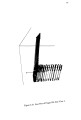
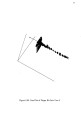
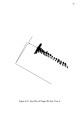
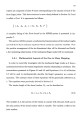
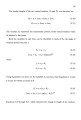
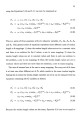
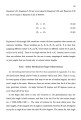
Show 34 functions of the finger. With this mechanical finger as the functional physical model, different methods of modeling the finger's parts on the computer as a mathematical model, especially the complex interactions within the finger can be tested and verified. This lays a foundation for research into the modeling and simulation of an actual human finger. This chapter addresses how the mechanical finger is modeled with the MFMS, the nomenclature used, and the mathematics involved. Joint position reception in stasis and in motion is discussed. The BVS model can be used to help determine the basis for this position reception in the finger joints. We present different methods used to acquire, assimilate, and analyze the data; specifically the visualization of six-dimensional data is considered. Lastly, research possibilities relating to finger modeling, simulation, and visualization are discussed, and how the work presented here benefits those areas. 5.1 Modeling the Mechanical Finger Figure 5.2 shows a set of line drawings from the MFMS simulation of the mechanical finger. MFMS only models the phalanges, joints and tendon placements. Tendon sheaths, structures through which the tendon passes as it follows along a phalange, and tendon attachments to bone are approximated as point connections. This simulation runs on the SGI and allows the user to vary the joint angles while the system maintains the kinematics and tendon paths. Metacarpophalangeal joints of the human finger undergoes joint motions in three axes: 1. flexion-extension, 2. abduction-adduction, 3. rotation. |