| OCR Text |
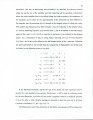
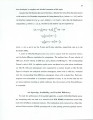
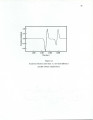
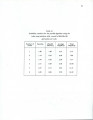
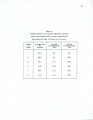
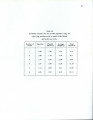
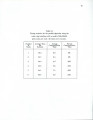
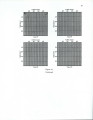
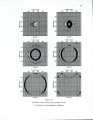
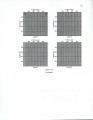
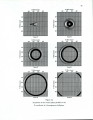
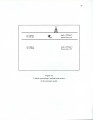
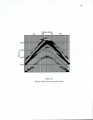
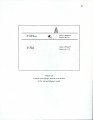
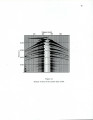
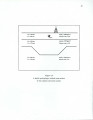
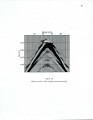
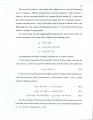
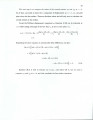
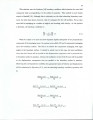
Show 36 4.2 A Two-Layer Model This model consists of a thin low velocity zone overlaying a halfspace. It is a 3D rectangular volume of 150x100x100 grid points, with a grid spacing of 5 meter and a simulation time step of 0.0007 seconds. Figure 4.4 shows a vertical cross section of this model. The source used was an explosive point source with a dominant frequency of 17.3 Hz placed at the point (75,50,10). Figure 4.5 shows a seismic section recorded near the surface at k = 3, i.e., 5 meters below the free surface. The geophone line is parallel to the X coordinate. 4.3 Acoustic/Elastic Boundaries Much of the prospecting seismology work is done offshore with marine data comprising the bulk of it. This model is for such situations. It consists of a water layer on top of a halfspace. It is a 3D rectangular volume of 150x100xl00 grid points, with a grid spacing of 5 meter and a simulation time step of 0.0007 seconds. Figure 4.6 shows a vertical cross section of this model. The source used was an explosive point source with a dominant frequency of 30 Hz placed at the point (75,50, 10). Figure 4. 7 shows a seismic section recorded near the surface at k = 3, i.e., 5 meters below the water surface. The geophone line is parallel to the X coordinate. The important thing to note in this model is the small wiggle at the lower left corner of the Figure 4.7 which is a sign of instability. This instability may be attributed to the quality of the free-surface boundary condition. Whereas the free-surface boundary condition presented in Appendix B may be appropriate for a boundary between the solid earth and the atmosphere, it is not a good approximation for the boundary between the sea and the atmosphere. Henceforth, the algorithm presented here may not be valid for simulating marine data. 4.4 Complex Structures The last model is intended to demonstrate the programs robustness and stability in modeling arbitrary structures of variable seismic parameters in all directions with sharp |