| Title |
Louis Zucker,Salt Lake City, Utah: an interview by Hynda Rudd and Ralph DeRose, September 1 & 4, and October 24, 1972, January 25, 1973 and June 1, 1977 |
| Alternative Title |
Louis Zucker |
| Creator |
Zucker, Louis C., 1895-1982 |
| Contributor |
DeRose, Ralph; Rudd, Hynda |
| Date |
1972-09-01; 1972-09-04; 1972-10-24; 1973-01-25 |
| Date Digital |
4/29/2016 |
| Spatial Coverage |
Philadelphia, Pennsylvania, United States; Salt Lake City, Salt Lake County, Utah, United States |
| Access Rights |
I acknowledge and agree that all information I obtain as a result of accessing any oral history provided by the University of Utah's Marriott Library shall be used only for historical or scholarly or academic research purposes, and not for commercial purposes. I understand that any other use of the materials is not authorized by the University of Utah and may exceed the scope of permission granted to the University of Utah by the interviewer or interviewee. I may request permission for other uses, in writing to Special Collections at the Marriott Library, which the University of Utah may choose grant, in its sole discretion. I agree to defend, indemnify and hold the University of Utah and its Marriott Library harmless for and against any actions or claims that relate to my improper use of materials provided by the University of Utah. |
| Subject |
Zucker, Louis C., 1895-1982--Interviews; University of Utah--Faculty--Biography; Jews--Utah--Interviews; Schiller, Herbert M.--Biography |
| Description |
Transcript (184 pages) of an interview by Hynda Rudd and Ralph DeRose with Louis C. Zucker on September 1 and 4 and October 24, 1972, and January 25, 1973. From tapes H-10, H-17, H-18, H-20, H-21, and H-32 in the Jewish Oral History Project |
| Abstract |
Mr. Zucker (b. 1895) discusses the emigration of his parents from Poland, their life in Philadelphia, and political leanings. He recalls his education in Pennsylvania and Wisconsin, his move to Salt Lake City to join the English faculty at the University of Utah, and life in the Jewish community. Also included are stories of various Jewish families, his experiences teaching Sunday school, the Maimonides, Jewish students and faculty at the University in the 1930s and 1940s, Jewish politics and culture, and the life of Judge Herbert Schiller. |
| Type |
Text |
| Format |
application/pdf |
| Extent |
174 pages |
| Language |
eng |
| Rights |
 |
| Scanning Technician |
Mazi Rakhsha |
| Conversion Specifications |
Original scanned with Kirtas 2400 and saved as 400 ppi uncompressed TIFF. PDF generated by Adobe Acrobat Pro X for CONTENTdm display |
| ARK |
ark:/87278/s6gj1qmh |
| Topic |
Jews--Interviews; University of Utah |
| Genre |
oral histories (literary works) |
| Setname |
uum_johp |
| ID |
919979 |
| Reference URL |
https://collections.lib.utah.edu/ark:/87278/s6gj1qmh |
| Title |
Page 28 |
| Format |
application/pdf |
| Setname |
uum_johp |
| ID |
919825 |
| OCR Text |
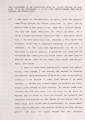
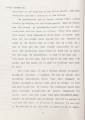
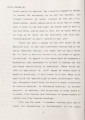
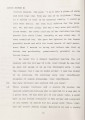
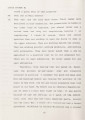
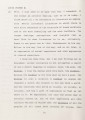
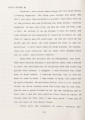
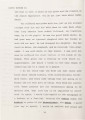
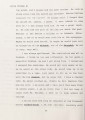
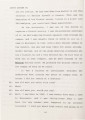
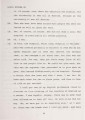
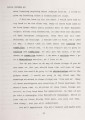
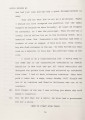
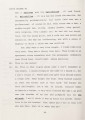
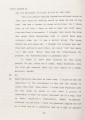
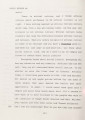
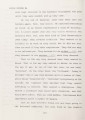
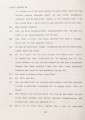
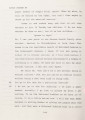
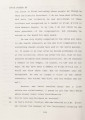
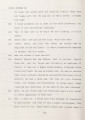
Show LOUIS ZUCKER #1 LZ: Well, I just seem to be made that way . I remember, it was always an artistic feeling, just as it is today. I think above all I am interested in literature as expression. Better literature. Literature in which there is more alert awareness of the externals of human existence and of the more underlying and the more ineffable. The larger feelings, perceptions, and insights that we have. This is what literature is to me, ultimately. Homer is one great one at this. Shakespeare in his way. Milton in his way. Poe in his way, and so on. Also, it is expression of actual experience and also expression of created experience. I know you know this, but I am just filling out my statement. Actual literature is not altogether a report of one's direct response to reality. Also, the poet, the Dichter, I like the German word very much, the Dichter .. Because the Dichter is not only what we call a poet, the Dichter is also a novelist. A Dichter is anyone who imagines a world, who creates in his own mind a world, and who conceives this world so clearly, so vividly, so actually, and has a gift of expression so that we can share in it. We experience, not only the world that is actually around us, but we also experience all this infinite variety of worlds that the Dichters of all the peoples of all times have created. Of course, this 22 |
| Reference URL |
https://collections.lib.utah.edu/ark:/87278/s6gj1qmh/919825 |