| Title |
Louis Zucker,Salt Lake City, Utah: an interview by Hynda Rudd and Ralph DeRose, September 1 & 4, and October 24, 1972, January 25, 1973 and June 1, 1977 |
| Alternative Title |
Louis Zucker |
| Creator |
Zucker, Louis C., 1895-1982 |
| Contributor |
DeRose, Ralph; Rudd, Hynda |
| Date |
1972-09-01; 1972-09-04; 1972-10-24; 1973-01-25 |
| Date Digital |
4/29/2016 |
| Spatial Coverage |
Philadelphia, Pennsylvania, United States; Salt Lake City, Salt Lake County, Utah, United States |
| Access Rights |
I acknowledge and agree that all information I obtain as a result of accessing any oral history provided by the University of Utah's Marriott Library shall be used only for historical or scholarly or academic research purposes, and not for commercial purposes. I understand that any other use of the materials is not authorized by the University of Utah and may exceed the scope of permission granted to the University of Utah by the interviewer or interviewee. I may request permission for other uses, in writing to Special Collections at the Marriott Library, which the University of Utah may choose grant, in its sole discretion. I agree to defend, indemnify and hold the University of Utah and its Marriott Library harmless for and against any actions or claims that relate to my improper use of materials provided by the University of Utah. |
| Subject |
Zucker, Louis C., 1895-1982--Interviews; University of Utah--Faculty--Biography; Jews--Utah--Interviews; Schiller, Herbert M.--Biography |
| Description |
Transcript (184 pages) of an interview by Hynda Rudd and Ralph DeRose with Louis C. Zucker on September 1 and 4 and October 24, 1972, and January 25, 1973. From tapes H-10, H-17, H-18, H-20, H-21, and H-32 in the Jewish Oral History Project |
| Abstract |
Mr. Zucker (b. 1895) discusses the emigration of his parents from Poland, their life in Philadelphia, and political leanings. He recalls his education in Pennsylvania and Wisconsin, his move to Salt Lake City to join the English faculty at the University of Utah, and life in the Jewish community. Also included are stories of various Jewish families, his experiences teaching Sunday school, the Maimonides, Jewish students and faculty at the University in the 1930s and 1940s, Jewish politics and culture, and the life of Judge Herbert Schiller. |
| Type |
Text |
| Format |
application/pdf |
| Extent |
174 pages |
| Language |
eng |
| Rights |
 |
| Scanning Technician |
Mazi Rakhsha |
| Conversion Specifications |
Original scanned with Kirtas 2400 and saved as 400 ppi uncompressed TIFF. PDF generated by Adobe Acrobat Pro X for CONTENTdm display |
| ARK |
ark:/87278/s6gj1qmh |
| Topic |
Jews--Interviews; University of Utah |
| Genre |
oral histories (literary works) |
| Setname |
uum_johp |
| ID |
919979 |
| Reference URL |
https://collections.lib.utah.edu/ark:/87278/s6gj1qmh |
| Title |
Page 25 |
| Format |
application/pdf |
| Setname |
uum_johp |
| ID |
919822 |
| OCR Text |
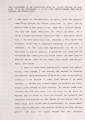
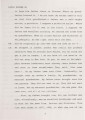
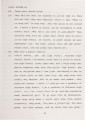
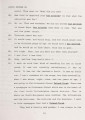
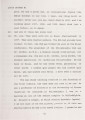
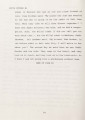
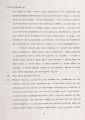
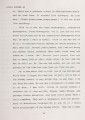
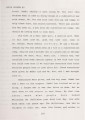
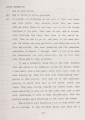
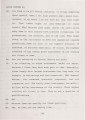
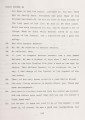
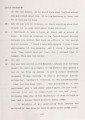
Show LOUIS ZUCKER #1 from the Civil War, Colonel John P. Nicholson. He commanded more respect in Philadelphia than most of your 516 generals of the United States Army do today. Colonel John P. Nicholson, Union League. Colonel Nicholson was like a father to my father, you see. When my father came to Philadelphia, he did not know a word of English. He had nothing but his skill and his gentleness of personality. Colonel Nicholson encouraged him, gave him employment, and helped him to establish himself. He was concerned about bringing my mother over, his wife, and was just like a father to him. Colonel Nicholson was a Republican. My father sometimes said it, "If the Republican party ran by a broomstick, Colonel Nicholson would support it." Anybody Colonel Nicholson supported, my father supported. Incidentally too, from Colonel Nicholson my father learned old-school American manners which I have not shaken off to this day and never will, of course. Colonel Nicholson was next to God. HR: You mean he was very genteel? LZ: He was a gentleman. He was also a collector and a great friend of some of those great collectors. There was Major Lambert, a major from the Civil War. Major William H. Lambert, who acquired the greatest collection of Lincolniana, I suppose, there ever was. Also, the 19 |
| Reference URL |
https://collections.lib.utah.edu/ark:/87278/s6gj1qmh/919822 |