| OCR Text |
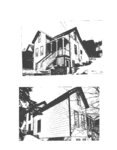
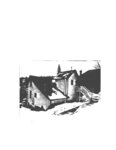
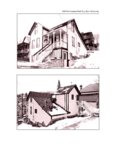
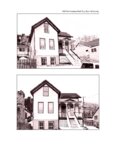
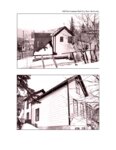
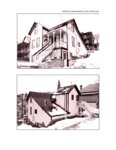
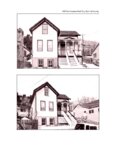
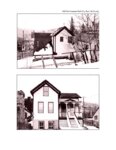
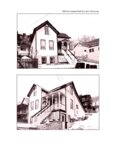
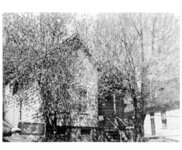
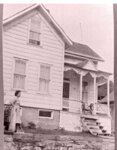
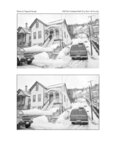
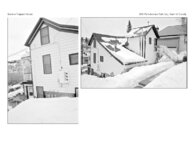
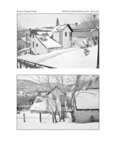
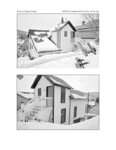
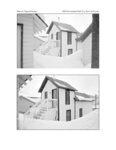
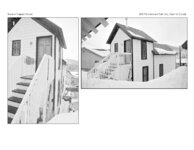
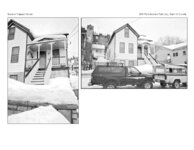
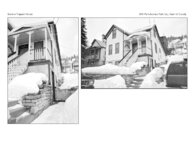
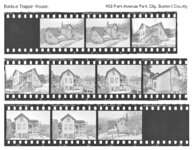
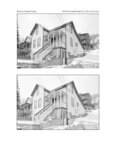
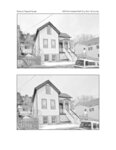
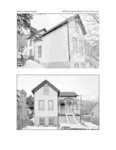
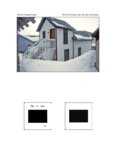
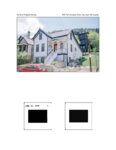
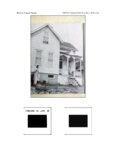
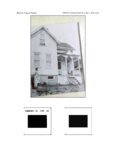
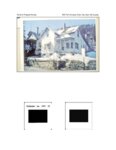
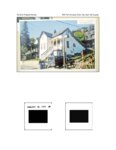
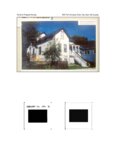
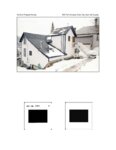
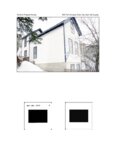
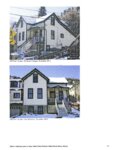
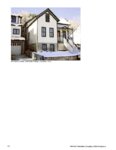
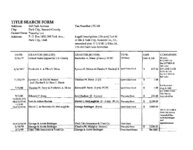
Show Continuation Sheet Section No . .1. Page .1 Narrative Statement of Significance The mining community of Park City, located about 35 miles southeast ofSalt Lake City, began with the discovery ofsignificant silver and lead deposits in 1869. After one temporary location, the community settled into the lower part of the canyon and began to grow rapidly. The 1880s were years ofsocial transition in Park City. Prior to that time, the town was primarily a spontaneous mining camp, populated by single, often transient men. The 1880s saw an increase infamilies, stable businesses, and home ownership as the community diversified, matured, and increased, becoming the largest metal mining town in Utah. U~der Criteria A. th~r House is significant because of its direct association with Park City's rapid growth between 1872 and 1929. Its location was found to be convenient for mining, business and residential purposes and documents the realities of the congested living conditions and limited available land in historic Park City. At some point almost every year throughout the 1880s some reference in the Park Record was made about the flurry of building activity, the demand for houses, or construction during the building boom. ~., Constructed c. 1886, the-fJucAas=T; r1fJPer House is significant under Criteria C, as a contributory structure, in age ::nd appearance, to the rest of Park City 's mining boom residential architecture. It exemplifies the type ofhouse built during the height of mining activity in Park City from 1872 to 1929. As one of a large example of TIL collage (or crosswing) house types, it represents one of the three major house types of the period Its frame structure and TIL cottage house type, and stylistic features are similar to the historic houses of the period which help define the mining boom era residence in Park City. The TIL cottage was most popular in Park City from about 1880 to 1900, during the time the Backus-Trapper House was constructed ..-.......;~~~'J! hen originally researched in 1978, the B1:teIcas-'f}apper House (iden'ijiflli as Size JIll). Sff- ffl- ';.1JJ) was considered ineligible for the National Register due to loss of architectural integrity caused by the installation of asbestos siding and alterations to windows, doors and porch . The 1995-/996 rehabilitation has removed or reversed these problems and the historic architectural character and integrity ofthe house is once again apparent. While the house now contains three separate apartments and is slightly' elevated over its original height (to accommodate the full basement), the numerous restorative aspects ofthe recent project have greatly enhanced the historic character of the building. The historic wood siding was revealed and restored. Non-historic window openings were reconfigured to their historic size and compatible double hung windows installed The porch was rebuilt returning the roof to the 'storic slope and installing compatible columns and balustrade. tJ.6 a ,the Backus-Trapper House is significant be y mul . p minent businessmen$navid C. McLau es . Midgley, and James Farrell . Dat ailab/~ does not indicate w ese individuals actually resided in the modest cottage, b i is probab ark Avenue was the first residence of David is n , In addition, several ofthe original owners ofthe~roperty rederick A. Nims, Edward P. Ferry and David C. McLaughlin) were associated with the Park City Townsite Corporation, a group of astute businessmen who recognized the potential of the "camp ", and who filed the original plat ofthe townsite in /880 with the Federal government.d '-'4IW.IOoI~...', ,, 7 Roper. Cont. Sht. 8 p. 3. 8 Roper. Cont. Sht. 8 p. 2-3 . |