| OCR Text |
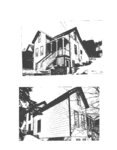
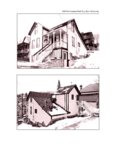
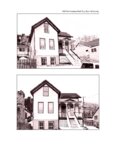
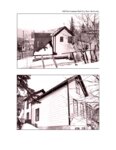
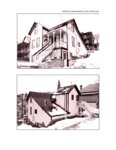
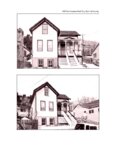
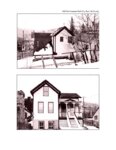
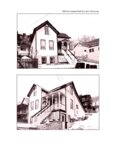
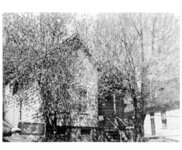
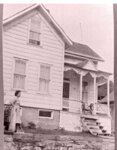
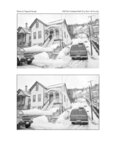
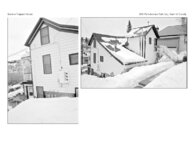
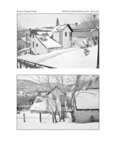
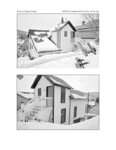
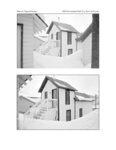
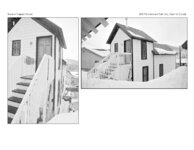
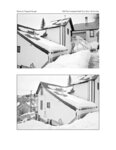
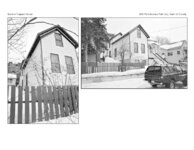
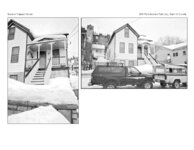
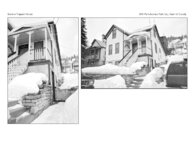
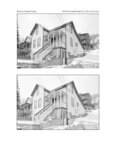
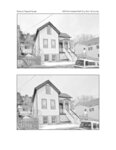
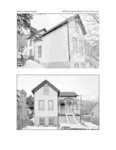
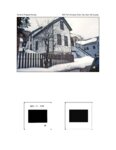
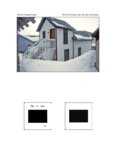
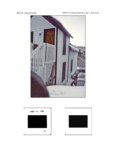
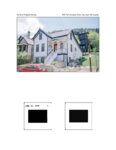
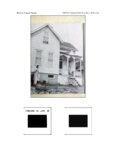
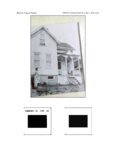
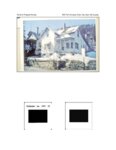
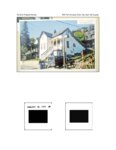
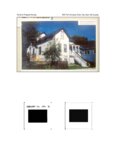
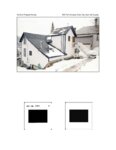
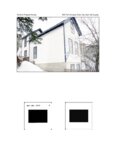
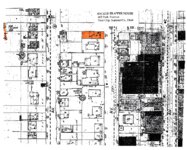
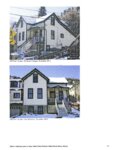
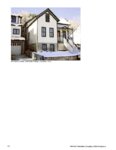
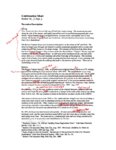
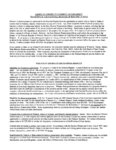
Show NPS rora 10-900-8 Utah WoftIPerf8cl5.1 Fonnat (R _ Feb. 1993) OMB No. 10024-0(1)1 United States Department of the Interior National Park Service National Register of Historic Places Continuation Sheet Section No. 7 Page..3.. 463 Pari( Avenue. Pari( City. Summit County. Utah Rehabilitation of the structure in 1995-1996 restored the structure to its original historic character. The asbestos siding was removed, which resulted in the discovery of the original drop siding and the historic window openings. Aluminum windows were replaced with replicas of the originals wood sashes. Matching siding was milled to replace broken siding and to fill in around the windows. A transom window was restored over the front door and fret work and 2"x 2" railing duplicated from the original was installed on the front porch. New mechanical, electrical, and plumbing were installed to code. The structure originally had only a 6-inch foundation wall with no footing, as was common with a majority of houses of the period in order to quickly accommodate the demand for housing. 3 The house was lifted off the foundation and an 8-inch foundation and footings were poured. The foundation level was raised approximately eight inches to allow for a more liveable space in the basement. The original structure was assembled with two layers of 1x12s vertically tied together with 1x10 drop siding laid horizontally to hold it together in a method khown as "single-wall" construction. Siding became available locally after 1881 from the Park City Planing MiII4. Rehabilitation work added 2x4 walls to support the floors with the 1x12s attached to them. Gypsum board was installed on walls and all surfaces were painted. Ceilings throughout the original structure are at the original height as dictated by the roof pitch. Prior to rehabilitation the floor plan of the house, as it was originally conceived, remained historically intact, with the exception of the bathroom addition and the attic bedroom in the rear cross-wing extension. As part of the rehabilitation, the main-floor storage room was converted into a second bedroom, while the rest of the space remained unchanged. On the upper level, the west bedrooms were left unaltered. And, although room usage has changed, the historic floor plan and wall configuration remains unaltered. Park Avenue has been historically one of Park City's major streets. The street was terraced along the side of the canyon. and tightly spaced lots were located between perpendicular cross streets, which created a grid of elongated blocks. Located on the west (uphill) side of Park Avenue, the house at 463 Park Avenue is located at what used to be the comer of 5th 5 and Park. The street no longer goes through, but instead is a public pedestrian easement with a wooden stair connecting to Park Avenue to Woodside Avenue. The remnant of 5th Street from Main Street has been renamed Trapper's Way in honor of the late Harold Dean "Trapper" Horan, long time resident of the house. As with most of the residences on the west side of the street, th~re is a 3-1/2 foot tall retaining wall at the front edge of the 3 Roper. Cant. Sht. 8 p. 8. 4 Ibid. Cant. Sht 8 p. 7. 5 Sanbom.Rre Insurance Map. Park City. Aug. 1907. 1900. Previously labeled as 3rd Street on Sanborn Map of Dec. 1889 and Aug. |