| OCR Text |
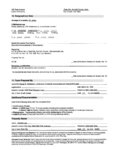
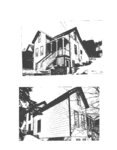
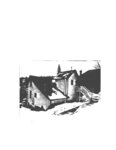
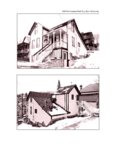
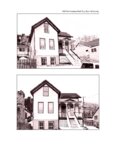
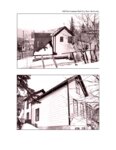
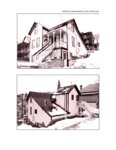
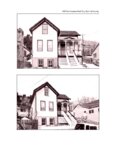
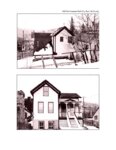
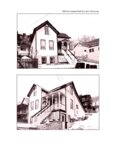
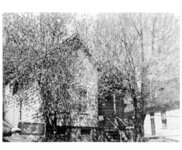
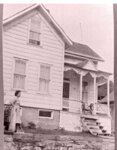
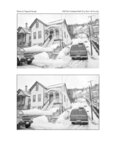
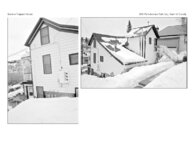
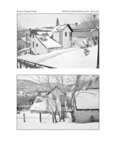
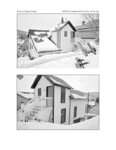
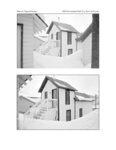
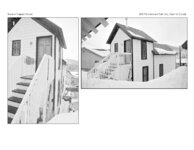
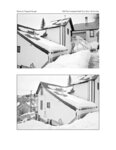
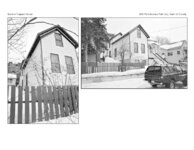
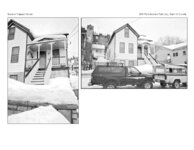
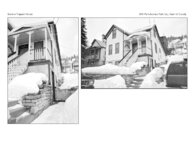
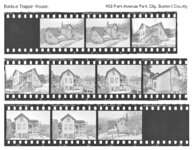
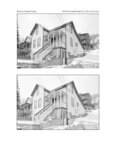
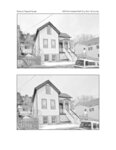
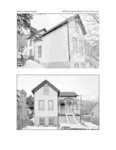
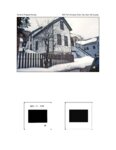
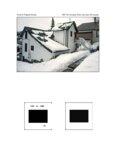
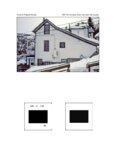
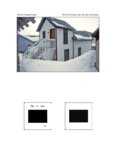
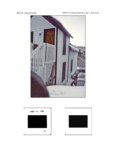
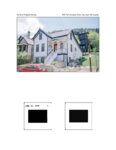
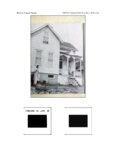
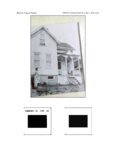
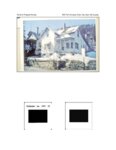
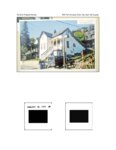
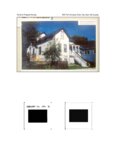
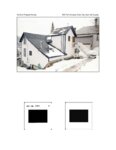
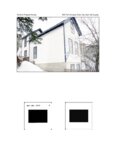
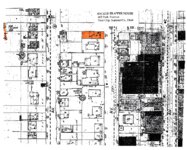
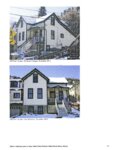
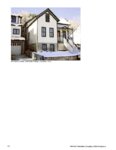
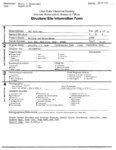
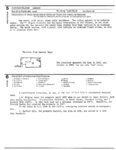
Show 4 ARCHITECTURAL DESCRIPTION Building Style/Type: T/L cottage type Foundation Material: No. Stories_:_1_ _ __ concrete Wall Material(s): --------------------------- Additions: _none lminor _major (describe below) wooden drop siding Alterations: _none lminor _major (describe below) Number of associated outbuildings __0___ and/or structures _1__. Briefly describe the principal building, additions or alterations and their dates, and associated outbuildings and structures. Use continuation sheets as necessary. The house at 463 Park A venue was described in a 1999 National Register nomination form as follows: "The house at 463 Park Avenue, constructed c. 1886, is a wood-frame, cross-wing type house with gabled roofs on each wing. The East-facing-, vernacular structure has some muted hints of Victorian Eclecticism in its detailing, typical of the Park City's building boom period. The house is one and one half stories tall and sits on a concrete foundation over a full basement. In 1995 the house underwent a restoration/rehabilitation to adapt some of the interior space for different usage and to correct alterations that had taken place, primarily on the exterior. It now resembles more closely its original appearance, and has regained its historical integrity. The house is located on a steep, narrow lot, similar to many others in Park City. There are no outbuildings on the property and the yard is terraced in the front with original stone retaining walls. The front facade of the house features a covered porch with a gab let over the front stairway entry: The porch roof is supported by three 4X4 posts atop which are found scrollwork brackets. These are near replicas of those shown in a c.1940 tax photo. The brackets are the only ornamental fixtures and lend a slight Victorian feeling to the building. Surrounding the porch and lining the stairway that leads to the porch is a balustrade of rather simple, dimensioned lumber construction. On the front, gable end of the restored house, there are a pair of double-hung windows with an additional window centered in the gable. The original L-form of the house received modifications during the historic period. A lean-to was built as part of the original construction behind the house to the west. Sanborn fire insurance maps indicate that the original structure remained unchanged from December 1889 through August 1907. In c.1915 an addition was constructed at the southwest comer of the original structure. The addition houses a bathroom and an attic bedroom and is apparent in the c.1940 tax photo. The addition is evidenced by a change in the width of the drop siding from 1"x 10" to I "x 8". Alterations to the structure in the 1940s or 1950s added asbestos shingles over the wood siding. The wooden, double-hung windows were replaced with a large plate-glass window with an aluminum awning on the front, two large plate glass windows on the north side, and aluminum sliders on the remaining windows. At an unknown date, ornamental metal railings and posts were added as replacements for the original wood columns on the porch and the roof pitch over the porch was altered from a 4:12 pitch to a 8:12 pitch. By 1995, the house had deteriorated substantially. Ground water deteriorated the floor and perimeter walls, and the water had been turned off for more than five years due to a broken water line and deteriorating sewer lines. The house was in a condemnable state and was being considered for demolition, prior to its purchase and rehabilitation by Timothy Lee, the current owner. Rehabilitation of the structure in 1995-1996 restored the structure to its original historic character. ' The asbestos siding was removed, which resulted in the discovery of the original drop siding and the historic window openings. Aluminum windows were replaced with replicas of the originals wood sashes. Matching siding was milled to replace broken siding and to fill in around the windows. A transom window was restored over the front door and fret work and 2"x 2" railing duplicated from the original was installed on the front porch. New mechanical, electrical, and plumbing were installed to code. The structure originally had only a 6-inch foundation wall with no footing, as was common with a majority of houses of the period in order to quickly accommodate the demand for housing. The house was lifted off the foundation and an 8-inch foundation and footings were poured. The foundation level was raised approximately eight inches to allow for a more liveable space in the basement. The original structure was assembled with two layers of I x 12s vertically tied together with I xlO drop siding laid horizontally to hold it together in a method known as "single-wall" construction. Siding became available locally after 1881 from the Park City Planning Mill. Rehabilitation work added 2x4 walls to support the floors with the 1x 12s attached to them. Gypsum board was installed on walls and all surfaces were painted. Ceilings throughout the original structure are at the original height as dictated by the roof pitch. Prior to rehabilitation, the floor plan of the house, as it was originally conceived, remained historically intact, with the exception of the bathroom addition and the attic bedroom in the rear cross-wing extension. As part of the rehabilitation, the main-floor storage room was converted into a second bedroom, while the rest of the space remained unchanged. On the upper 728 Park City Preservation Consulting, CRSAArchitecture |