| OCR Text |
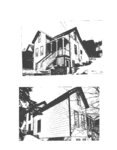
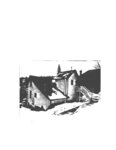
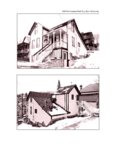
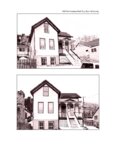
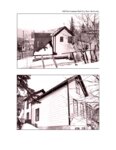
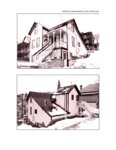
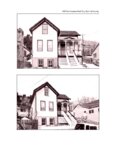
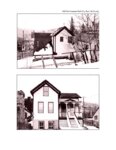
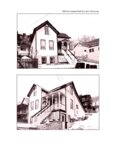
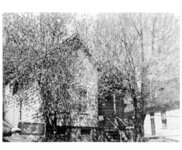
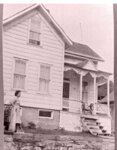
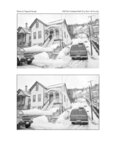
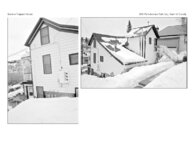
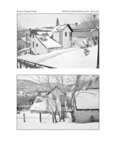
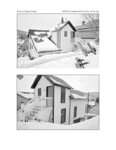
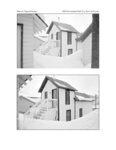
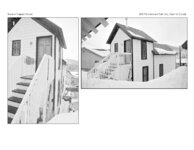
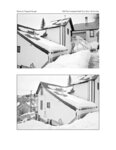
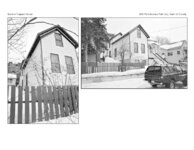
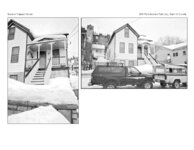
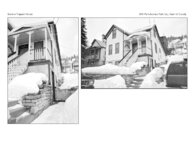
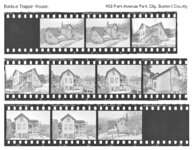
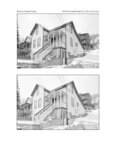
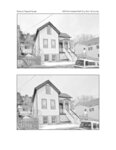
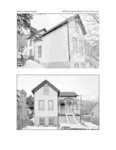
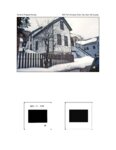
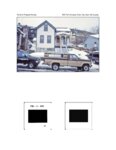
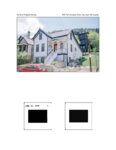
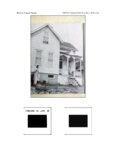
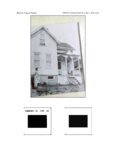
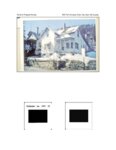
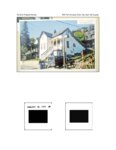
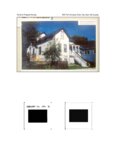
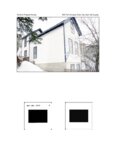
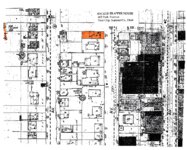
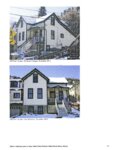
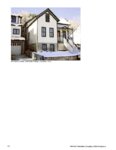
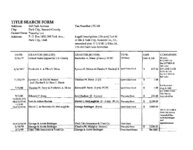
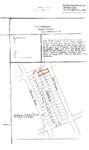
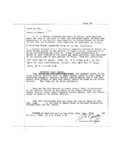
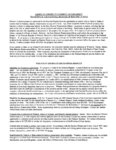
Show level, the west bedrooms were left unaltered. And, although room usage has changed, the historic floor plan and wall configuration remains unaltered. Park Avenue has been historically -one of Park City's major streets. The street was terraced along the side of the canyon. and tightly spaced lots were located between perpendicular cross streets, which created a grid of elongated blocks. Located on the west (uphill) side of Park Avenue, the house at 463 Park Avenue is located at what used to be the comer of 5th and Park. The street no longer goes through, but instead is a public pedestrian easement with a wooden stair connecting to Park Aven-e to Woodside Avenue. The remnant of 5th Street from Main Street has been renamed Trapper's Way in honor of the late Harold Dean "Trapper" Horan, long-time resident of the house. As with most of the residences on the west side of the street, there is a 3-1/2 foot tall retaining wall at the front edge of the property. The retaining wall is built of native stone laid in ashlar coursing and has been restored. A new retaining wall of the same material flanks the walkway that leads to the entrance of the house. There are no outbuildings on the site." The build remains unchanged since the writing of the description. The building is currently listed on the National Register. The overall form and materiality of the house remains intact and the house retains its historic value. 5 HISTORY Architect/Builder: unknown Date q[Construction: c. 1886 Historic Themes: Mark themes related to this property with "s" or "c" (.1) = significant, C = contributing). (see instructions for details) _Agriculture _Economics C Industry _Politics/ C Architecture _Education _Invention Government _Archeology _Engineering _Landscape _Religion _Art _Entertainment/ Architecture _Science _Commerce Recreation _Law _Social History _Communications _Ethnic Heritage _Literature _Transportation _Exploration/ _Community Planning _Maritime History ...s::...Other: Mining & Development Settlement _Military _Health/Medicine _Conservation _Performing Arts Write a chronological history of the property, focusing primarily on the original or principal owners & significant events. Explain andjustifY any significant themes marked above. Use continuation sheets as necessary. The history of this house was detailed in the 1999 National Register nomination as follows: "The house at 463 Park Avenue, constructed c.1886, is significant under both criteria A and C as part of the Residences of Mining Boom Era Park City multiple resource area. Under criterion A it is significant for its direct association with Park City's rapid growth between 1872 and 1929. The house's location was found to be convenient for mining, business and residential purposes, and it documents the realities of the congested living conditions and limited available land in historic Park City. The house is also significant under criterion C as an example of Park City's mining-boom residential architecture. It exemplifies the type of house built during the height of mining activity in Park City from 1872 to 1929. As one of the large.r examples of a cross-wing house6 in Park City, it represents one of the three major house types of the period. Its frame structure, cross-wing plan, and stylistic features are similar to a majority of the historic houses of the period which help define the mining boom era in Park City. The cross-wing type was most popular in Park City from about 1880 to 1900. The mining community of Park City, located about 35 miles southeast of Salt Lake City, began with the discovery of significant silver and lead deposits in 1869. After one temporary location, the community settled into the lower part of the canyon and began to grow rapidly. The l880s were years of social transition in Park City. Prior to that time, the town was primarily a spontaneous mining camp, populated by single, often transient men. The 1880s saw an increase in families, stable businesses, and home ownership as the community diversified, matured, and increased, becoming the largest metal mining town in Utah. Almost every year throughout the 1880s some reference in the Park Record was made about the flurry of building activity, the demand for houses, or construction during the building boom. HISTORICAL SIGNIFICANCE Prior to construction of the house in c.1886, the property at 463 Park Avenue was originally part of an 80 acre patent granted to Frederick A. Nims in 1877 (and later challenged in the case of Edward P. Ferry vs. John L. Street.) Several of the original owners of the property (Frederick A. Nims, Edward P. Ferry and David C. McLaughlin) were associated with the Park City Townsite Corporation, a group of astute businessmen who recognized the real estate potential of the "camp," and who filed the original plat of the townsite in 1880 with the federal government. Task 5-lntensive Level Surveys, Historic Sites Outside of Main Street Historic District 729 |