| OCR Text |
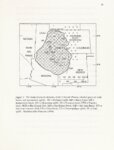
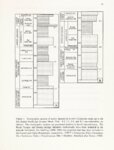
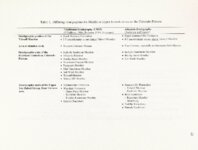
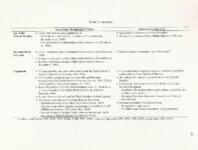
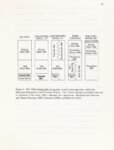
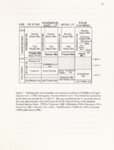
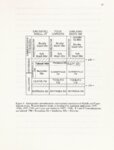
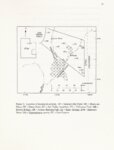
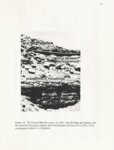
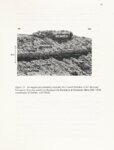
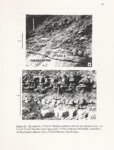
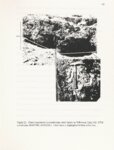
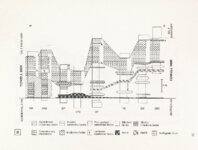
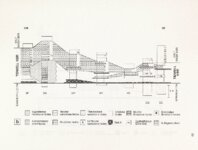
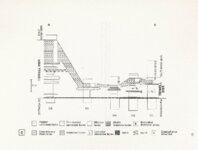
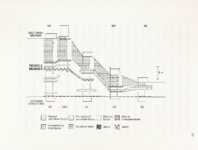
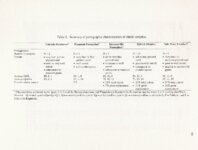
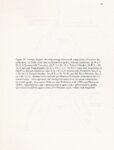
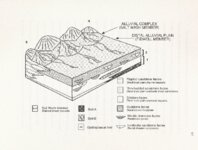
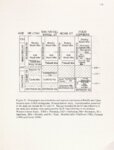
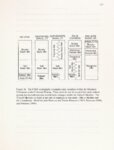
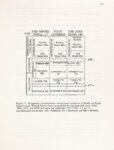
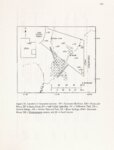
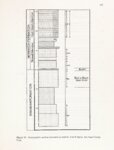
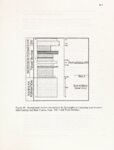
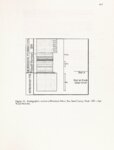
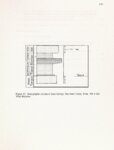
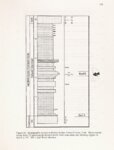
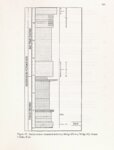
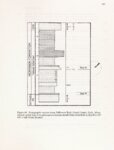
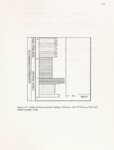
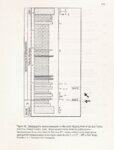
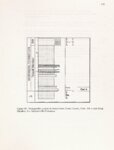
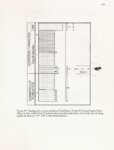
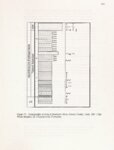
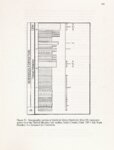
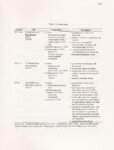
Show 129 Anderson and Lucas (1992, 1994, 1995, 1996a, 1998) and Lucas and Anderson (1997) include basal fine-grained (mudstone and silty sandstone) Member (USGS stratigraphy) as an strata of the upper unit of their Bluff Sandstone contend that these sediments represent a Recapture (Figure 37) and brief return to sabkha conditions at the top of the Bluff erg. These authors correlate the upper fluvial facies of the Recapture Member with the Salt Wash Member of the Morrison Formation in the San Rafael Swell and include these strata in the Salt Wash Member. Within the alternate Tidwell Member, which is Colorado recognized as a stratigraphy, the separate unit only in Utah and southwestern (Lucas and Anderson, 1997), is considered an upper member of the Summerville Formation. In the San Rafael Swell, the Tidwell Member is characterized by thicker gypsum beds and a color change versus the underlying main body of the Summerville Formation (Anderson and Lucas, 1992, 1996a, 1996b, 1997, 1998; Lucas and Anderson 1997). The Tidwell Member is thought of the redefined more Recapture to be a Member of the Bluff Sandstone" basinward (northern) facies of this unit (Anderson Canyon that these strata Wash Member and Lucas, 1996a, 1997, recognized a 1998). the Member of the Morrison Formation. Instead, these authors argue indistinguishable from and should be mapped (Figure 37), correlating the base, thickness, (1938) unit with Lucas are correlative perhaps representing Anderson and Lucas (1995, 1996a, 1997, 1998) do not Westwater stratigraphic the type Salt Wash Member to the north. and as part of the Salt lithology Although of Gregory's Anderson and (1995, 1996a, 1997, 1998) and Lucas and Anderson (1997, 1998) maintain that the Morrison Formation consists of only two units (Salt Wash and Brushy Basin Members), these authors (Anderson and Lucas, 1996b; Lucas and Anderson, 1998; |