| OCR Text |
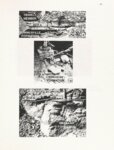
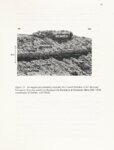
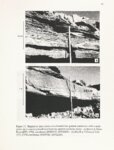
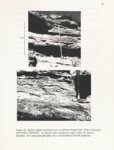
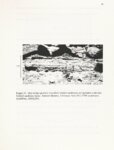
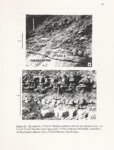
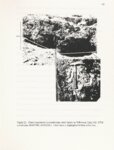
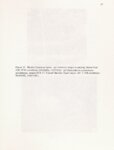
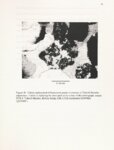
Show 63 ill contrast, surface groundwater silcretes are early diagenetic through precipitation in existing features that form below the sediments from oversaturated with dissolved silica. Thus, groundwater groundwaters that silcretes are poor indicators of climatic conditions (Simon-Coincon et aI., 1996; Thiry, 1997). form epigenetic replacement silica cementation of sandstones through and mudstones by silica. The distribution of table levels and sediment porosity. As that form in limestones and mudstones, a or groundwater are These silcretes may of limestones silcretes is related to water result, groundwater silcretes, especially those are commonly irregular and discontinuous (Thiry, 1997). The irregular, blocky outcrops of the concretionary associated with a combination of diagenetic precipitation of limey matrix, and they are interpreted processes, where chert groundwater silcretes. Silica function of pH and decreases with increased may indicate that the (1998a, 1998b) proposed that devitrification important silica source Bilbey (1992) Member in the San Rafael Swell occur growth commonly through a may have initiated with the increases as a salinity (Tucker, 1991; Thiry, 1997). were This highly alkaline, contributing to (e.g., quartz grains). Alternatively, of volcanic ashes may have Currie provided an for Tidwell Member cherts in northeastern Utah and northwestern Colorado. sediments that are to have formed solubility commonly diagenetic groundwaters dissolution and mobilization of detrital silica chert facies also observed that silicification in the Tidwell (north of the study below devitrified ash. area of this paper) is common in |