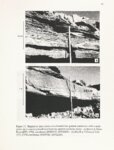
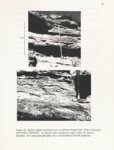
| OCR Text |
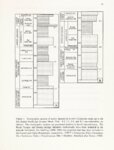
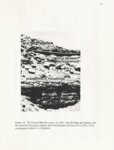
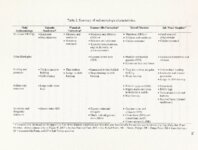
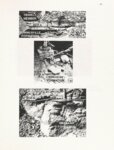
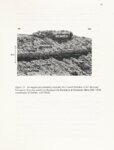
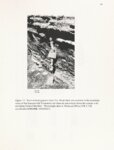
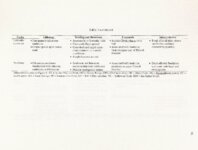
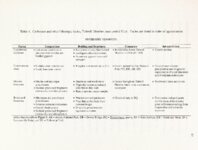
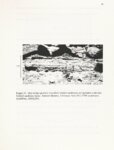
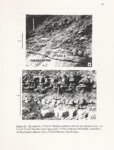
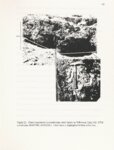
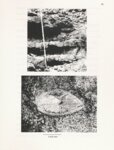
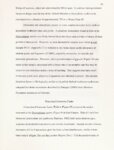
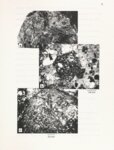
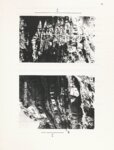
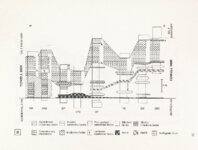
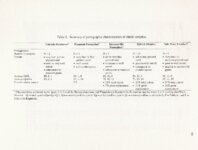
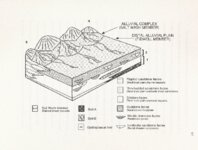
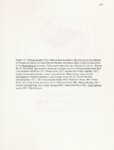
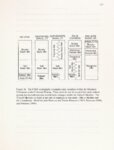
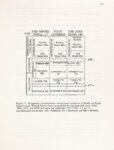
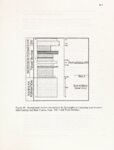
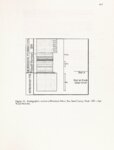
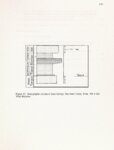
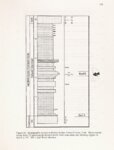
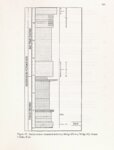
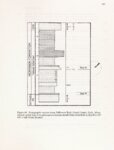
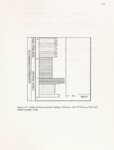
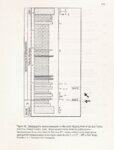
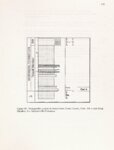
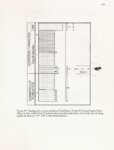
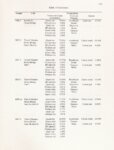
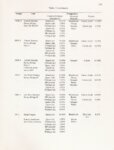
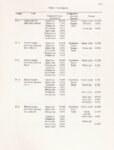
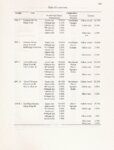
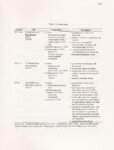
Show 64 Lenticular Sandstone Facies The lenticular sandstone facies consists of lenticular grains fine-grained may occur sandstones (Table 3, ripple cross-stratification massive. Many of these 1.5 m thick). Simple subhorizontal Palaeophycus), < 10m which are common wide), but are rare in an asymmetric Cross but these sandstones may also be some are more broadly and subvertical burrows asymmetric geometries (0.5 lenticular or tabular (0.5 to 1.0 (Planolites and/or in Tidwell Member sediments, occur the massive tabular to lenticular sandstones of this facies. The occurs or coarse-grained sand commonly fine upward. sandstone bodies have distinctive to thick, Some Figure 22). in these sandstones, and such beds beds and m isolated, sharp-based, asymmetric locally in Dystrophaeus some of bone bed sandstone within the lenticular sandstone facies. The lenticular sandstone facies typically occurs of the Tidwell Member but also occurs within the mudstone facies in the upper part within siltstone facies deposits in the middle part of the Tidwell Member. Burrows (Planolites and/or Palaeophycus) are rarely preserved in massive, tabular to lenticular sandstones of the lenticular sandstone facies. This suggests that only limited reworking of these sediments occurred after initial texture in sandstones may result from sediment from suspension, or deposition. Massive complete bioturbation, rapid deposition of postdepositional dewatering (Collinson, 1996; Miall, 1996). These massive, burrowed, tabular to lenticular sandstones constitute a small percentage of the lenticular sandstone facies sandstones. The lenticular sandstone facies is type fluvial channel sandstones based on interpreted the as consisting primarily of ribbon sharp-based, lenticular to asymmetric bed |