| OCR Text |
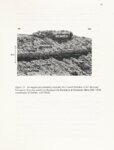
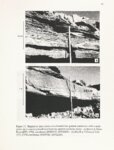
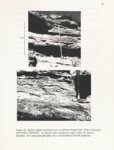
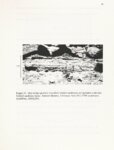
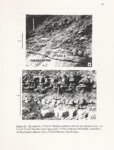
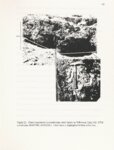
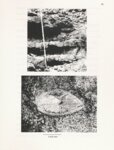
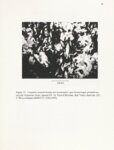
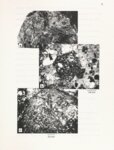
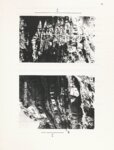
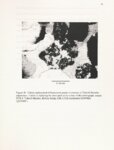
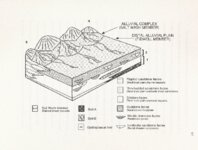
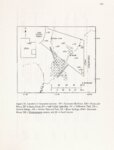
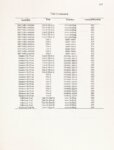
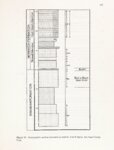
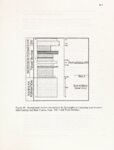
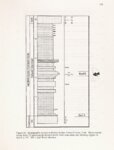
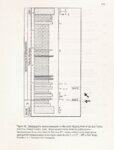
Show 66 geometries and the of occurrence ripple cross-stratification Ribbon sandstones within upward-fining sequences. commonly interpreted as channel sandstones and cross-bedding floodplain mudstones within are of anastomosed fluvial systems (Miall, 1996). Alternatively, ribbon sandbodies may represent individual fluvial channels low-gradient floodplains. but are Such fluvial channels may be commonly laterally stable within the Collinson, 1996). Because they this facies are rare likely represent isolated floodplain in the small study highly sinuous or on meandering sediments (Peterson, 1984; area, the channel sandstones of meandering streams on a distal alluvial floodplain. Micritic Limestone Facies At eight Figure 23) of the fifteen measured sections, is present, consisting of thin (0.3 a to 0.5 micritic limestone facies gray limestone m) (Table 4; (mudstone and wackestone; Dunham, 1962) beds (Figure 23a). In hand sample, these limestones finely crystalline a and lack any petrographic microscope, pseudospar groundmass and charophytes) typically occurs and as distinguishing structures these limestones with peloid thin beds rare to macrofossils. Viewed under composed abundant skeletal structures or are or (Figure 23b). are of micrite, and grains microspar, and fragments (ostracodes The micritic limestone facies lenses within the mudstone or siltstone facies in the middle to upper part of the Tidwell Member. Limestone beds within this facies (Dewey Bridge pinch out #2 and the laterally over a Dystrophaeus are laterally restricted. quarry; distance of 5 to 15 m. correlated between measured sections; this bed Figure 9), Only one occurs at At two sections individual limestone beds limestone bed could be the Dewey Bridge and Dewey |