| OCR Text |
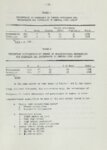
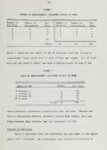
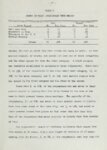
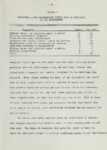
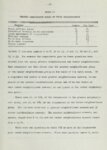
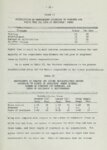
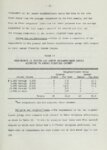
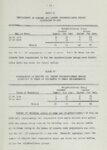
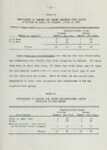
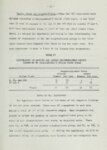
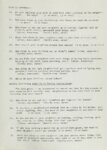
Show 69 .. the first type of .. and the other from the second. area Significant difference between the numbers of There no was respondents in these three categories in either of the neighborliness groups. Sooiai classo--Hollingshead's Social Class Scale of five classes, with class I as the and class V highest comprised IV and V, which 33% of the comprised lowest, sample, 67 were of the difference between the number of ot the hypotheses, made. The a sampleo There respondents in the respondents relationship was three in classes highest not involved in any w.as to neighborliness waS follows: as (1) those who preferred the Church of Jesus Christ of Latter Day (2) those who had other religious preferences, and mar,ried couples with each spouse having No significant difference three was a III, significant no divided into three categories were and I, II, neighborliness group. religious preference test of its used to compared with those classes and those in the two lowest in either Religiono,-Altho'ugh was The respondents in classes categorize the respondents. which the as dif:ferent found between the (3) those who Saints, were religious pr-ef'er-enee respondents in these categories in either neighborliness group. Limitations The following limitations were recognized before the data were gathered: 1" The neighborhoods studied of all 2. such are not necessarily representative areas. The instrument used for measurement differing types of respondents. was generalized to fit 0 |