| OCR Text |
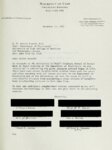
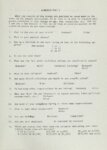
Show - Each had area The respondents a 61 ... of sample populati,on twenty-six r_spondents. chosep. on" the basis that with street addresses which corresponded to numbers were table of random numbers.. street addr-eaaes in such .. Each researcher made a way that his tative of the various sections of his In contrast to the two coples ,inerviewed, were interviewed in a te lived in houseS they an selected from a effort to select sample would be fairly z-epr esen-. area. preceding studies i.n which only married both single present study people and married couples were Married couples were asked. to .gdve 0 single response to the questions asked of them. With was the few a 19620 that. used in Six questions classifying ended the A were and which was used. Part I was sought information added to Part I nearly the ,and eight were added to Part II which attitudes toward their was pre-tested as neighborliness regardi_ng to Part II to obtain more were Four open designed to solicit neighborhoods. In order to familiarize the interviewer with the administration of' the it same study sought classi neighborliness inf'ormation, respectively. questions respondents 1963, two-part schedule information and Part II ,tying the interview schedule used in this that used in the as same exceptions, schedule, .. A letter of introduction from the Uni versi ty of" Utah Graduate School of' Social Work was followed'by ment for an a was sent to the prospective participants telephone call from the researcher interview if the person wished to become to make a 0 an This appoint respondento Uniform instructions for the administration of the schedule were given .. |