| OCR Text |
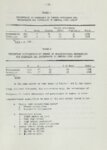
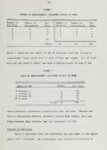
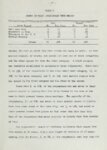
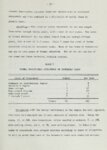
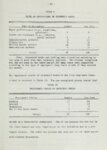
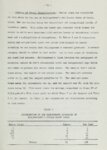
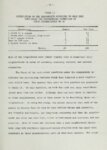
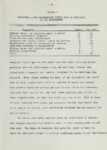
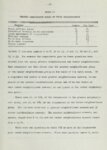
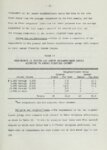
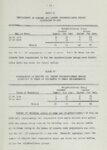
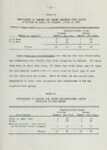
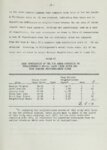
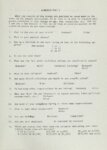
Show 49 - - had to do with the number of relatives eighborhood (20, or 77%, gave lesser a respondent had living in his responses), neighborliness and question number 12, which had to do ,.wi th the frequency with which the respondents and' their neighbors borrowed valuable things rom each other (25, 96%, or 75% also two questions to which neighborliness neighborliness gave lesser They answerso responses). There of the respondent.s gave greater or more question number 13; which had to do were with the numher of neighbors with whom the respondents chat (22, 32, or 85%, gave were greater neighborliness fre9,uently and question number' responses), which had to do with the 'number of neighbors wit whom the respondents did not care (21, to associate 81%, or greater neighborliness gave responses). It should be noted that on 8, question number which had to do with the ';number of neighbors to whom the respondents had said the preceding week, 19, or 7310, gave "hello" in greater neighborliness . This deserves note because the schedule . more Data poses for which from 1 to 68, respondents according to neighbors' homeso neighbors' homes for moe respondents t hey say fth e 11 0 been and the different kinds of been in those homes respondent ranged had been in been in respondents had they had distributes the they warmer, gathered regarding the number of different neighbors' homes in which the 17 lS neighbors than they did then. were entered per . administered in January; was and many respondents indicated when the weather to many answers. who had been in , The number of homes with a mean one of 22. Table the purposes for which Many respondents, than pur- purpose. of course, 'The had percentage of neighbors' homes to offer service is perhaps " |