| OCR Text |
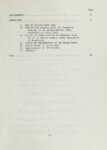
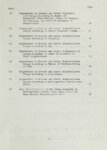
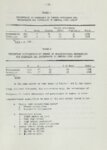
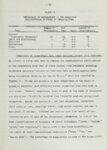
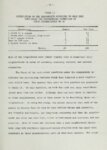
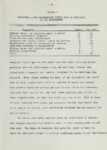
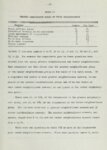
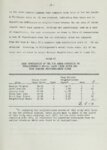
Show Page Table 18 Respondents in Greater and Lesser Neighborli ness Groups Accoding to Number of Neighbors' Homes Entered, Number of Purposes for Entering, and Years of Residence in Neighborhood. 0 19 20 • • 0 Respondents in Greater Groups According to 0 0 • • and Lesser • • • • Neighborliness • Respondents in Greater and Lesser Neighborliness Groups According to Age 53 Respondents in Greater and Lesser Neighborliness Groups According to Years of Residence in Their Neighborhoods 53 • • • • . • . • . • • • • • . • Respondents in Greater and Lesser Neighborliness Groups According to Number of Children Living at Home 24 25 . • • • • •..•.•.••.. • Respondents in Greater Groups According to and Lesser Neighborliness Area Reared • . . . . . . Respondents in Greater and Lesser Neighborliness Groups According to Hollingshead's Social Class Be ale 26 51 52 • •••...••••. 23 50 Respondents in Greater and Lesser Neighborliness Groups Accord!ng to Religion. 0 22 • Annual Financial Income • 21 • . 0 • • • • • • • • • • • • • • " • • 55 Rank Correlation of the Six Areas According to Hollingshead's Social Class Index Score and Mean Greater Neighborliness Score vi . . . . . 59 |