| OCR Text |
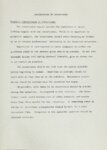
Show - that the average cty "ooohis - is tied to his neighborhood by two factors: man physical dwelling place with his concern 13 ••• and his concern with those neighborhood groups and agencies which involve his A man's children because the relat him to his of children interpersonal relationships confined to the neighborhood since they such relationships beyond over the entire city not, are Adultsj being which most authors are generally seem to agree ·mobile enough to more mobile, thre factors the most are agree, necessarily to find oute adults whose interests Gist and Halbert list the following theirs. ones ito most writers neighbors, children."l develop can range are most like in cities importt which draw urbanites away from their neighborhoods! 1. Transportation facilities which people can readily and other get comfortably to other people who, use to places which, provide satisfying experiences. 2. The individualization of interests which results from specialization a 30 and the wide which make demands organizations outside the neighborhood on time and provide many. differen.t types disagrees with his fellow sociologists about the' extent to which urbanites are drawn out of their that: lDunh 2Gist throughout satisfactions.2 Hallenbeck, however, saying of stimuli found city. Formal and informal of variety vocational sa- and ci to, Halbert p. _2Eo 169. cit., pp. 284285. neighborhoods, |