| OCR Text |
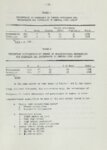
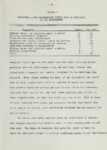
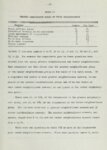
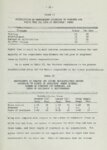
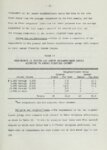
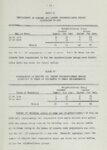
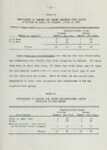
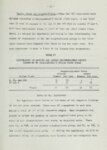
Show 56 - - respect to age, years of residence in their neighborhoods, children to or categories of the at reared" area whether living The class, and social home, test Chi-Square te number of groups with respect then employed to discover was not the numbers of respondents in each of these factor's significantly different were .05 level The neighborliness groups. from each other, within of confidence each used was as the criterion of significant differencee Rel;lgion Although there not was an hy.pothesi concerned with the ship between religion 8l¥,i neighborliness, was because made there might be it seemed to the with' each spouse the no 7210, .or- were religious preferences; other Chi-Square r-esearcher-s, having test a a Latter as tis relationship they ,worked,- and 21, different value of 3018 or 13%, h9thesis 15%, or found, showing tat states that there will be single age for respondents who the, two 87 22 to years 0, spuses were averaged" years, with a To test the mean were The age of had In applying .there ·was among the three groups. no significant difference in the neighborliness of different age groups. a 156 'were married couples religious preference. was that Of the area. Day Saints; 23; significant difference in neighborliness The first test Of significant differences in this some respondents, 112, a relation married couples, the ages of 156 respondents ranged 52 years, and hypothesis the respondents To obtain a in age from median age of 51 were 'divided into two |