| OCR Text |
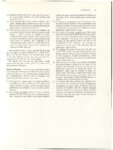
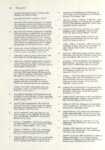
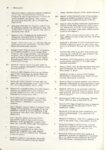
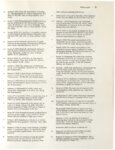
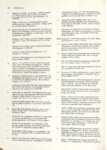
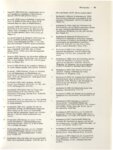
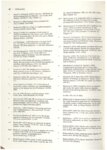
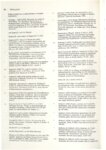
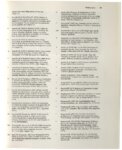
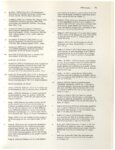
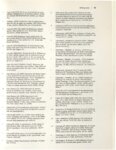
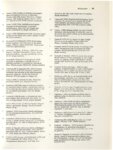
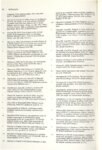
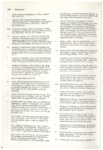
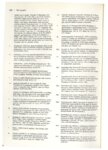
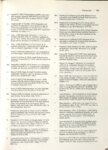
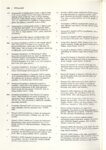
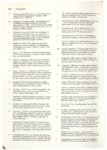
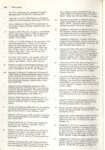
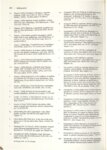
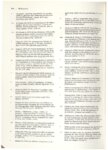
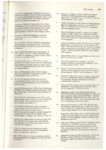
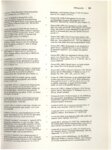
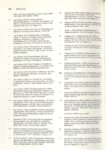
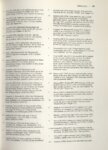
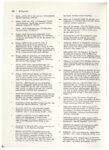
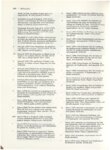
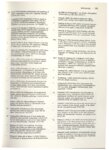
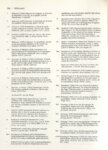
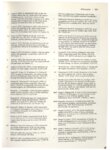
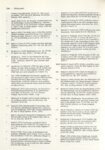
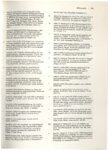
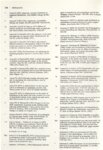
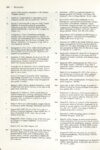
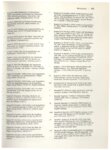
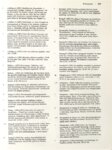
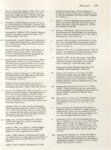
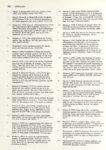
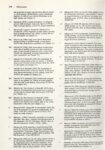
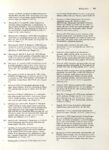
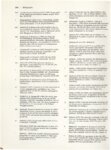
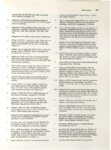
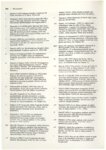
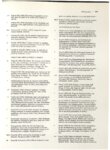
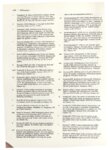
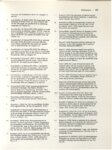
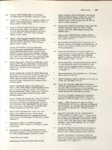
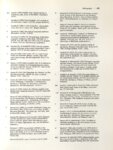
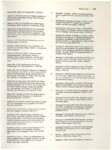
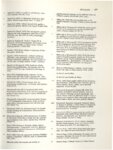
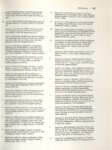
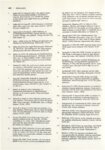
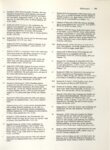
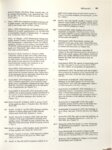
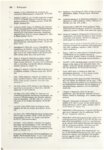
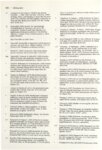
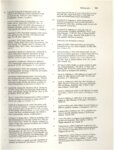
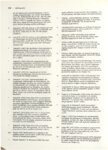
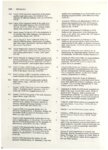
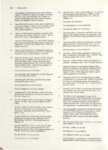
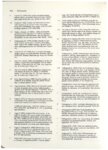
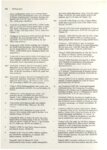
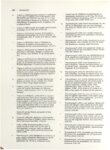
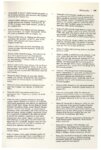
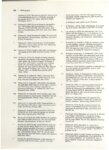
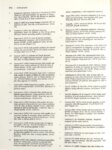
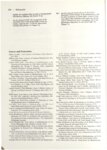
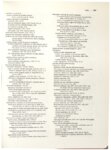
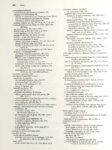
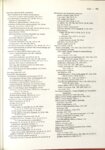
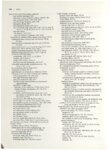
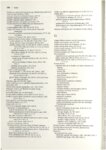
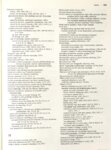
Show Index Cilia!)'bod (continu d) versusirb \ ls, 4 7 Cilia!)'gangli n ( also mmod ti n; lri nerves; Light ren x path r-v· i n reaction) appcaran nd I u n f, 264, 267, 09, ; F3- 1, 95, F5-6, 12, 13, 14. F22-2, FU-30; TJ-22, 43, 47 aa:e ry cili ry ngli • r nreld." 9, 267-70, 991, 992-94, 1112-1 ; TJ-46 blood uppl or, 264, 1117; FU-34 motor root r, 9, 264, 267; F6-12, 13, 14 sensory root or ( iii ry nerv ) supposed en ry function or, 264, 42; TJ-4./ sympathetic root r ( iliary n rve ) synapse in, 9, 267-7 , 295, 09, 40, 991, 1112; FU-30; T3--17, , 49 Ciliarygangli n neur n anatonu pecuh riti , 9, 264, 27 , 11; T3-43, 50 light re0ex versus mmod tiv n ur ns anatomic dir~ r nee , 9, 264-67, 295, 09 numeri I di~ renoe , 264-67, 27 ; TJ-45 pharm colog,c differ nee , 264, 09; FJ4-17; TJ-50, T5-1 ph) i logic differ noc , 264, 01, 309-11; F5-9; TJ-50, T5-1, J speci difference , 264; F6-14; T3-43, T5-1 voliti n and, 264, 11, 16; TJ-50, T5-l Ciliaryiris edge (margin) (see Ir" root) Ciliaryiris ring ( e Iris rin ) Ciliarymu le (s e also coommodation) anatomy or cili ry mu le trand architecture or, 311-12, 15; F5-2, location and auachment or, 11, 12-15; F5-8 me odemial origin or, 29, 12, 15 striated mu le in bird and reptiles, 264, 296, 312 zonular fibers and, 11,312; F5-8 runaional trait or eiliary muscle strand accommodative/pupil ratio and, 302; F5-3; T5-1 accommodative/vergenoc ratio and, 302; F5-3; T5-1 awarene or nearne and, 304; T5-1 convergence/pupil ratio and, 302; F5-3; T5-1 denervation upersen itivity and (see Tonic pupil) rusional convergence and, 303; T5-l latent period or, 312,317; F5-9; T5-3 mechanism or action or, 311-12, 315; F5-8 pharmacologic reactions or, 303, 315; T5-l speed or co111raction or, 12; F5-9 volition and vi ual auention and, 264, 311, 316; F5-9; T3-50, T5-J, 3 innervation or ciliary mu cle cholinergic nerve endings in, 295, 312; T5-l inhibitory sympathetic nerves in, 215-17, 295, 312-15; T5-4 Ciliary nerves (see also Iris nerves) anatomic relations long ciliary nerves sensory fibers from eye to Gasserian ganglion, 54, 320, 340-42 sympathetic fibers to intraocular muscles and vessels, 264, 312-15, 320, 335, 338-41; F6-8, 12, 13, 14; T5-4, T6-8 short ciliary nerves (parasympathetic postganglionic) accommodative fibers, 267, 295, 1112-13; £24-30 fibers to the iris sphincter, 267, 295, 342, 1112-13; F24-30 intraocular path of, 54, 89, 267 myelinization of, 311 segmental pupil movements by stimulation at limbus, 54, 33840; F6-15, 21; Tl-25, T6-15 species differences, 338-42; T6-8 / 587 Ciliary nerves (continued) Ciliary processes, 3, 51; Fl-1, 2, F5-2 8 Ciliary reflex, 403 ' ilio-spinal reflex, 403 laude Bernard's syndrome, 1246 laude Bernard's triad, 1246 Cl~ude Bernard-Homer ,~yndrome (see Sympathetic impairment) Cltvus edge syndrome (1--tscher-Briigge) 262, 1035; F22-10· T43-5 Closed (blunt) head trauma, 1484; F43-4, 6; T43-l, 3 ' Closed-loop or high-gain light stimulation, 171-74; F3-58; T3-18 (see also Mathematical approaches in biology, 630-47) lump cells or Koganei (see Iris stroma) Cluster headache (see Migraine variants) ochleo-pupillary reflex, 403; T6-5 Cognitive aspects of light stimuli (see Psychology) Cog-wheel pupil reactions, 403, 1246 Collarelle (iris frill), 6, 414; FJ-2, 20, F9-8, 10, 18 Colliculi (see Superior colliculi) Collier's sign (see Lid movements) Coloboma of iris, 902; Tl6-l, 2 Color blindness (rod achromatopsia), 119-21; FJ-19, 21; TJ-3, 7 Color-defective individuals, 116; F3-20; TJ-3, 7 Coma (see also Anesthesia; Death; Sleep) abnormal breathing pattern in (see Cheyne-Stokes) pu pillary behavior in light reflexes, 1588 loss of sympathetic discharges, 362-63, 1579, 1588 miosis, 1579, 1582, 1588 Conditioned reflexes (Pavlov) pupillary movements involving assumptions of conditioned light reflex, 654; TJ3-3 "conditioned" pupil dilation, 655-60, Fl3-5, 6; T13-3 concepts and explanations of Pavlovian school, 653, 657-60 physiologic objections, 657, 658, 660; TJJ-3 cognition versus "reflex" phenomena, 659-60; F13-7 Pavlov's dogs, 653, 663 Cones and rods (see also Light stimuli) distribution in the retina of density, 147; FJ-41 retinal location, 111, 112; FJ-14, 15, 24, 41; TJ-5 motor efficiency of, 85, 101, 110; FJ-5, 6, 7 binocular interaction, 151-53 incremental effects, 101, 105; FJ-5, 6, 7 latent periods (see Latent periods) sensitivity of adaptation and (see Adaptation) color sensitivity and (see Light stimuli: color) directional sensitivity and (see Stiles-Crawford effect) thresholds of sensitivity and (see also Light stimuli: intensity) absolute threshold, 85, 101, 122, 125, 898; FJ-5, 6, 7, 24, 26, 36 difference threshold, 131-32, 898; FJ5-21 visual versus pupillary thresholds, 124-25, 670. 72; FJ-26, FJJ-12 timing of responses of (see Light stimuli: duration) Congenital generalized indifference to pain with anhidrosis defects described in, 1125-26; T38-3 Homer's syndrome, 1125 increased sensitivity to mecholyl (false positive), 1126 Congenital miosis (microcoria), 902; F16-l; Tl6-l, 2 Conjugate lateral gaze (see Extraocular movements) Connecting arcades between sphincter and dilator muscles (see Fuchs's and Michel's spurs) Consciousness brain areas involved (see Cortex; Limbic system; Reticular formation) |