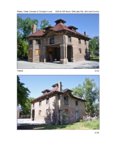
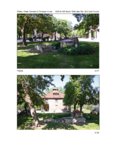
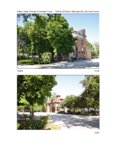
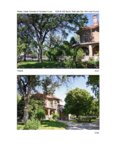
| OCR Text |
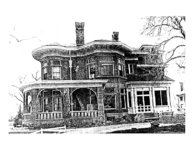
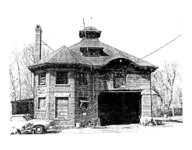
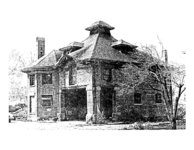
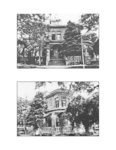
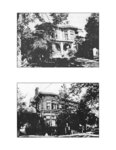
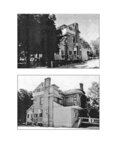
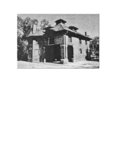
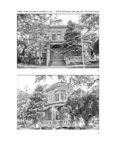
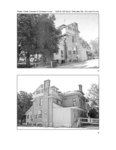
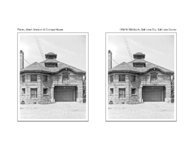
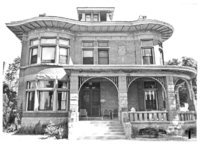
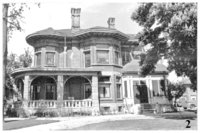
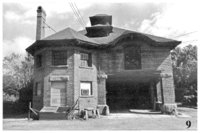
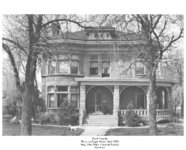
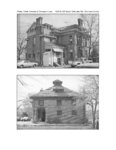
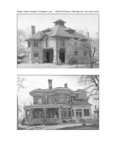
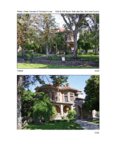
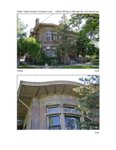
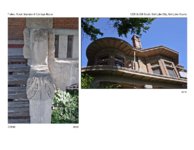
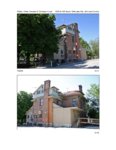
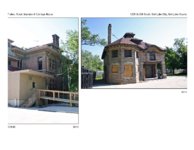
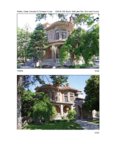
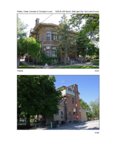
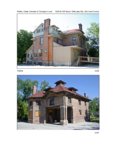
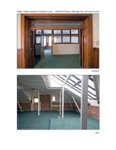
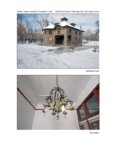
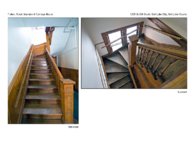
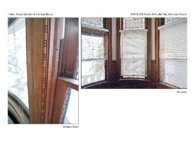
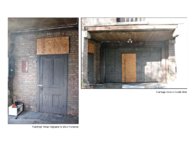
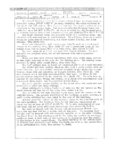
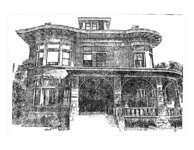
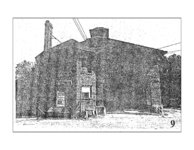
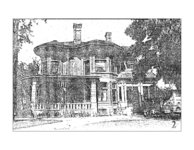
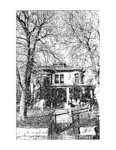
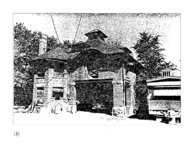
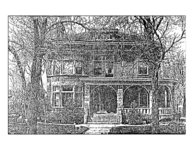
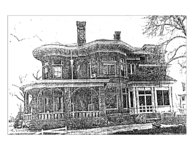
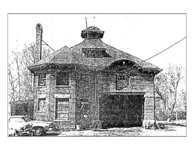
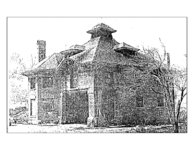
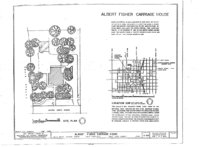
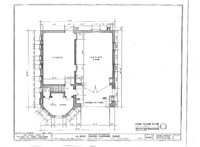
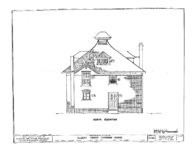
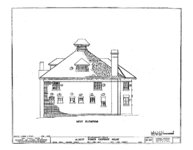
Show SECTION ONE: INTRODUCTION & EXECUTIVE SUMMARY INTRODUCTION historic character. The Restoration Standards allow for the The Fisher Mansion and Carriage House, located on depiction of a building at a particular time in its history Salt Lake City's west side at 1206 West 200 South, by preserving materials from the period of significance were designed by Richard Kletting and constructed and removing materials from other periods. The Recon- in 1893 for Albert and Alma Youngberg Fisher. This struction Standards establish a limited framework for re- Historic Structure Report evaluates the historic elements ofthese two buildings, their potential options creating a vanished or non-surviving building with new materials, primarily for interpretive purposes:' for future preservation and re-use, and requirements affecting their re-use. Numerous suggest ions for new uses ofthe buildings have been made since Salt Lake City made the decision to retain the property, which was purchased in 2006 for the purposes of extending the Jordan River Parkway. The processes and results of this report are intended to advance the task of finding an appropriate and viable re-use for the property that respects the character of these significant historic structures. It is the intent that, at a minimum, any re-use project for the property will meet the Secretary of the Interior's Standards for the Treatment of Historic Properties with Guidelines for Preserving, Rehabilitating, Restoring and Reconstructing Historic Buildings (SOTIS). The following information from the National Park Service website, gives a brief summary of the standards for the four treatments. "The Standards for the first treatment, Preservation, require retention of the greatest amount of historic fabric, along with the building's historic form, features, and detailing as they have evolved over t ime. The Rehabilitation Standards acknowledge the need to alter or add to a historic building to meet continuing or new uses wh ile retaining the building's Fisher Mansion HSR, February 2010 METHODOLOGY This report builds upon a Historic Structure Report done in 2008 for Salt Lake City Corporation by students from the University of Utah College of Architecture and Planning. Information and documentation from the U of U HSR have been incorporated into this report. In some sections the information was incorporated directly with minor updates, while other sections include additional information, modifications, and updates that have resulted from the consultant team's opportunity to conduct more in-depth and hands-on investigations and analyses of the buildings and site. In general, the narrative of this report is presented in a three-part format with Historical Data and a short description of each building system or component presented first, followed by an analysis of the Existing Condition(s) and concluding with Recommendations. Recommendations are presented for two treatment approaches to the building - that of a preservation approach and that of a restoration approach. As specific uses for the build ings are identified, it is anticipated that the preservation approach, which serves to protect and stablize a property until a use and treatment are identified, may shift into a rehabilitation approach. 3 |