| OCR Text |
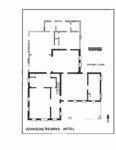
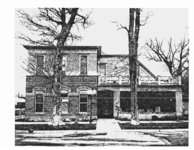
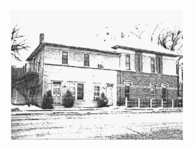
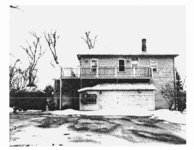
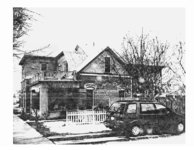
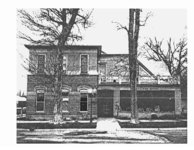
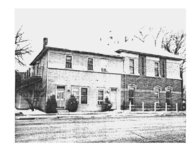
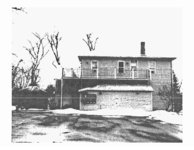
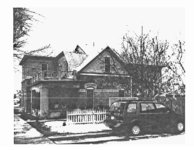
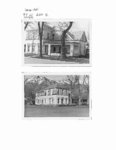
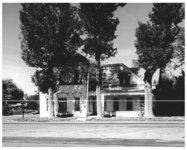
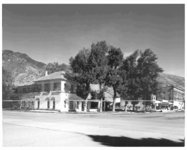
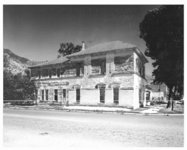
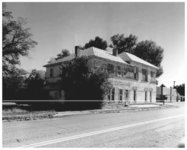
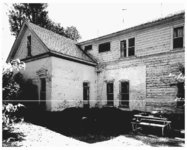
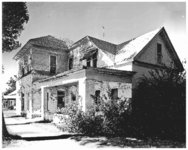
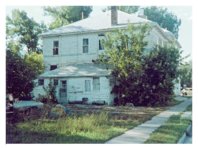
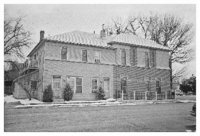
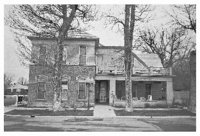
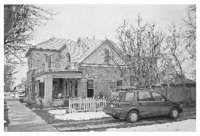
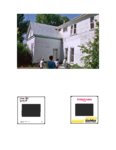
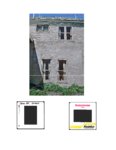
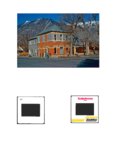
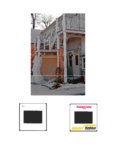
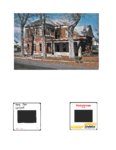
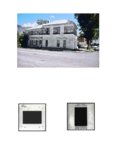
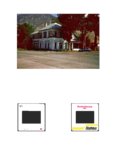
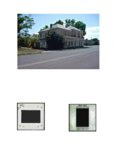
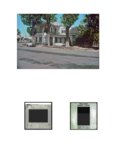
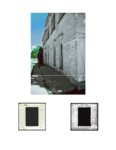
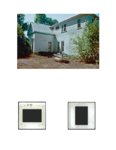
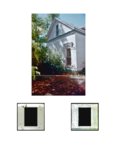
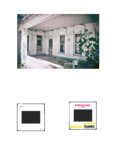
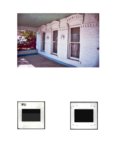
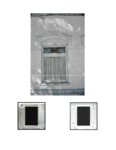
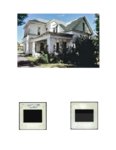
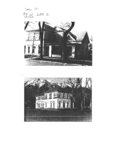
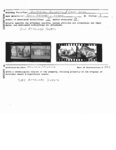
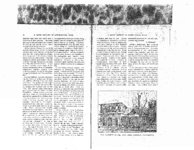
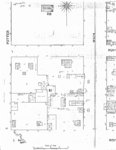
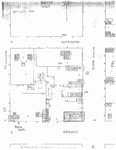
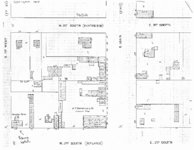
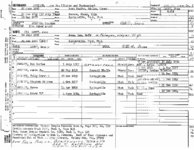
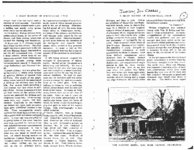
Show 6. Function or Use Historic Functions (enter categories from instructions) Current Functions (enter categories from instructions) mUltiple dwelling hotel 7. Description Architectural Classification (enter categories from instructions) Queen Anne Materials (enter categories from instructions) foundation -;---:---;--_--:_-:-_ _~:__:_-:----- walls brick/weatherboard/shingle Other roof asphalt other _ _ _ _ _ _ _ _ _ _ _ _ _ _ _ _ ____ Describe present and historic physical appearance. The Kearns Hotel, like many small town hotels of the period, was designed more along residential than commercial lines. The property is located at the edge of the business district (there is now a residence on the main street side of the structure, but this site was originally occupied by a narrow bowling alley). The original structure on the hotel site was a small frame residence with a northern brick wing. This horne was probably demolished shortly after the property was purchased by Moses Johnson in 1892 and 1893. The Sanborn maps of 1898 show the footprint and eave line of the original hotel structure, but indicate that the structure was not yet completed. Don C. Johnson (Moses' eldest brother) includes a photograph of the completed structure in his 1900 history. This, and title activity would indicate that the original structure was completed during the summer of 1900. The 1908 Sanborn maps (and in the Johnson history) show the complet structure with a much smaller, L shaped front porch. The main, 2 story wing ~ has a brick ground floor and a frame second story, sheathed in a drop novelty, ship lap siding. With its broad hip roof, this portion of the building is somewhat reminiscent of what was (at the time) the developing American Four-Square style. The l-l story wing projects to the east, parallel to the principal facade; and also has a brick ground floor and ship lap siding at the windowed cross gable (of the principal/ south facade). The design makes use of strong vertical zones. A brick string course, consisting of slightly extruded stretcher bonds seperated by an alternating dentil pattern of extruded and flush soldier brick; is used at the water table (grou~d floor above brick foundation) and just below the ground floor lintel level. A broad belt course of half round shingles is placed between the boxed eaves and the lintels of the s~cond floor, and at the slightly pelIL -rcrcf.f ~ .9:.Tre -winaowm.ll le Vel m -=ure secOIin "'flooL. TIal"-L · LUUna slang:r.-e-::> are also used at the east projecting gable end of the l-l story wing. The boxed eaves are supported on narrow, paired brackets. The ornate, three tiered, segmental arches at the ground floor headers incorporate a dentil pattern in the central tier of the arch, and flow easily into the brick string course. Standard two tier segmental relieving arches are used at the rear elevations of the structure. Additional brick patterning exists at the west facade (minor principal facade) where patterned brick piers extend through the second story, dividing the second story facade into three non-symmetrical bays. Th " also divided into 3 bays at the south facad: prO]ectlng 2 st~ry wing is b t' . [;J See continuatIOn sheet u lS d omlnated by the small central parlor , sash at the ground floor; with its intricate leaded transom light. |