| OCR Text |
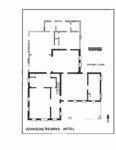
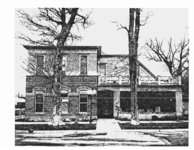
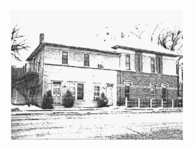
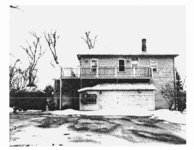
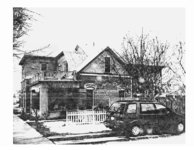
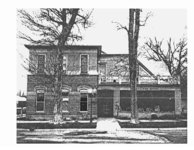
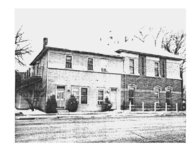
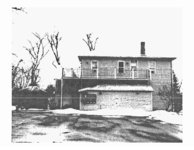
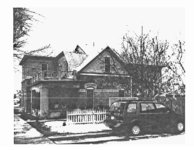
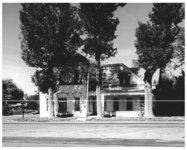
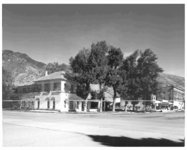
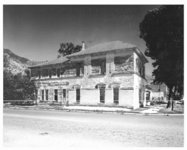
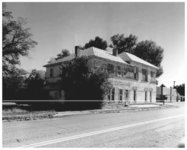
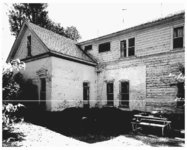
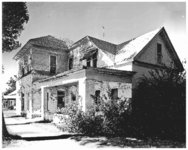
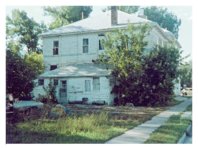
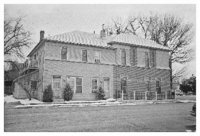
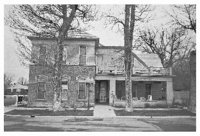
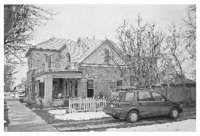
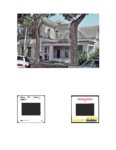
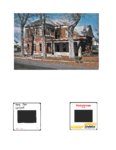
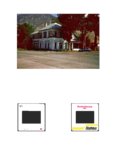
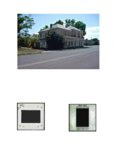
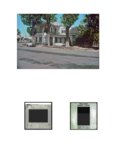
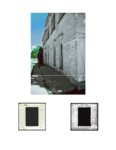
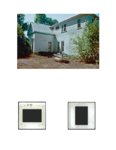
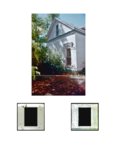
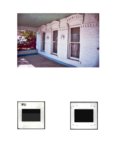
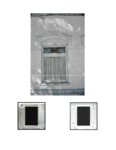
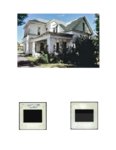
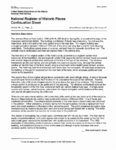
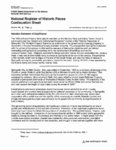
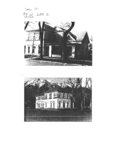
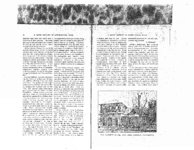
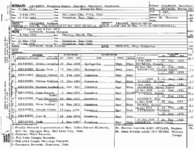
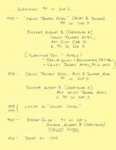
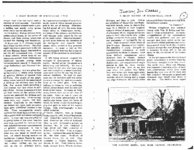
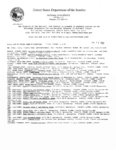
Show NPS Form 1()'900-a Utah WOtdPtf1ect 7.0 Formal ( _ May 1997) OMS No. 10024-0018 United States Department of the Interior National Park Service National Register of Historic Places Continuation Sheet Section No. JL Page..!. Johnson/Kearns Hotel, Springville, Utah County, UT Loretta Chase was born in Springville on 15 January 1873, daughter of John Edwin Chase and Hannah Elizabeth Fuller. William lived in and managed the hotel, newly renamed the Kearns House, with Loretta and their five surviving children. Before purchasing the hotel, William worked for twenty years as a clerk in the Deal Brothers Department Store. Loretta was prominent in local art circles. Howard LaSell Kearns, their second from youngest son, achieved some acclaim as an oil painter and concert pianist. Loretta and William sold the hotel in 1937 to Gladys C. Nielsen, Leonard Nielsen's widow, three years before William's death. Gladys continued to operate the hotel, renaming it the Valley Tavern Hotel, until 1945, when the operation of the hotel was taken over by Albert B and Gertrude H. Snyder. She sold the building in 1949 to Otis A and Emma C. Snyder, who sold it to Albert and Gertrude Snyder in 1953. The Snyders changed the name of the hotel to "Valley Taven),:' then back to "Valley Tavern Hotel," and finally, (c.1958) to "Valley HoteL" They operated·the hotel' tJ~jti!fetiring' in 1980. The hotel was vacant from 1980 until 1990, when the Snyders sold it to (·J;ane! ,;lBO Lyle Poulsen. The Poulsens completed an extensive renovation of the building in 1991, r6Qpe(rin~ it the Johnson/Keams Hotel Bed and Breakfast. The Paulsen's work was recognized with a 1991 Heritage Project Award from the Utah Heritage Foundation. In 1995, the present owners, Sherman arid Beulah Langford, bought the hotel from the Poulsens. ARCHITECTURE: The Johnson/Kearns Hotel's unique qualities of Victorian detailing, with the patterned brickwork and wood shingling combined in an irregularly massed building, demonstrates the skill and level of craftsmanship available in Springville near the turn of the century. Victorian forms were popular in Utah 1885-1915. Projecting bays were added to the principal rooms to achieve a desired external irregularity of design and made the rooms larger and brighter. The style of the house also describes the early twentieth century and the changes that were occurring in Utah. This central-block-withprojecting-bays house type with Victorian Eclectic styling is important in describing the end of Utah's isolation in the late nineteenth century. Rural areas were less isolated from stylistic developments occurring on both the national and local levels. The pattern-book styles and standardized building components were available and easily adapted for use with local materials. The former isolation of rural areas was no longer an obstacle to building well and the quality of design and workmanship were also affected during the Victorian era. 6 _ 6 Carter. Thomas. and Peter Goss. See continuation sheet Utah's Historic Architecture 1847-1940. p . 110-111 . |