| OCR Text |
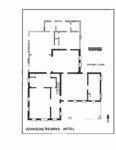
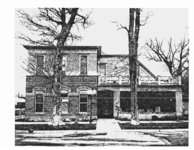
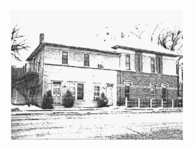
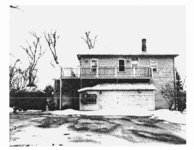
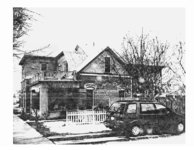
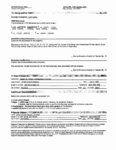
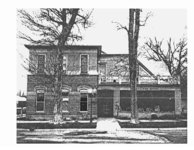
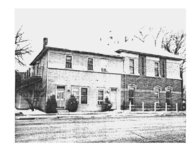
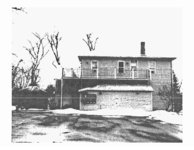
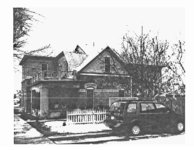
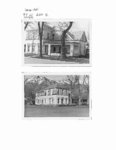
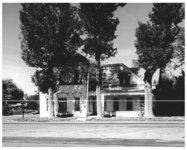
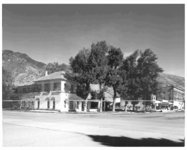
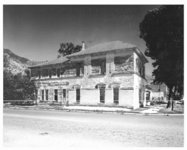
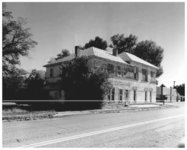
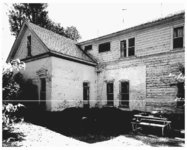
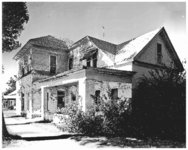
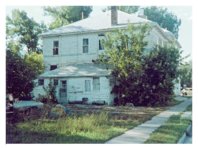
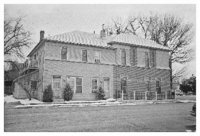
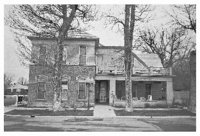
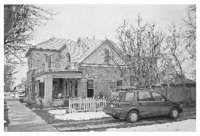
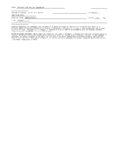
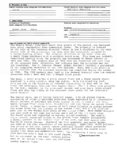
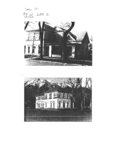
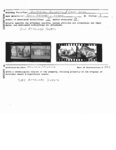
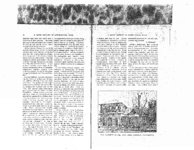
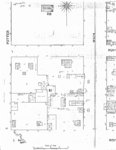
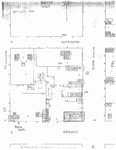
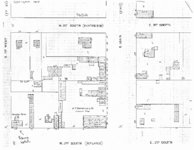
Show back seat (officially) to the good of the community during this period of Utah's history. The pioneering period of establishing Springville as a viable community was followed by an era of growth and diversification of industry and commerce. Promotion of the organized cooperative movement may have helped to initiate this new phase of development. The greatest impact, however, was brought by the railroad. Completion of the transcontinental rail line in 1869 ended Utah's geographic isolation, linking the state to the products and markets of the entire nation. It made goods from the outside more readily available, created new markets for Utah-produced commodities, stimulated commerce and the development of new industries, and brought in more settlers together with more outside influences. The pioneer period, with its emphasis upon basic essentials of community survival, self-sufficiency, and cooperative group effort, was brought to a final close. 3 By the early 1900s, Springville had grown to a city of approximately 3,500. The 1911 R.L. Polk & Co. Directory shows Springville to have two banks, fourteen grading contractors, three hotels/rooming houses, one flour mill, one canning factory, and a municipal electric power plant. There were four general stores in operation: G.S. Wood Mercantile Co.; Deal Bros. & Mendenhall Co.; Packard Bros. & Co.; and I.T. Reynolds & Co. Principals in the latter three firms also were prominent in the field of railroad contracting. Springville was served by two railroads: the Denver & Rio Grande western, and the San Pedro, Los Angeles & Salt Lake Railroad of the Union Pacific system. The Kearns Hotel at 94 W. 200 South was built for Moses and Ann Kearns Johnson about 1892. It was known as the Johnson Hotel until 1910, when it was renamed the Kearns Hotel. The present building replaced an earlier log house that appears on early Sanborn Maps of the site. The original owner of the site (by mayor's deed, 1870) was Mary Williamson Snelson, widow of Thomas Snelson. She sold the property (1890) a year and a half before her death, to her grandson William Henry Kearns. William sold it the following year to local businessman and contractor Henry Taylor Reynolds H.T. Reynolds Company had a lumber yard and general store on the same block and to the east. Henry Reynolds sold the ground the following year (April 74, 1893) to Moses Johnson. Moses Johnson was the youngest surviving son of Springville pioneer, Bishop and postmaster Aaron Johnson, and his third wife Jane Scott. Moses was born in Springville in 1860 and married Anna Kearns (who was a half sister of William Henry Kearns' father. The Johnsons began construction of the hotel c.1892, and probably completed construction in the summer of 1900, after taking a $600 mortgage. H. T. Reynolds & Company also files a notice of lien against the property in August of 1900 for the nonpayment of a $263.62 bill for building materials. The building was completed by the end of 1900 and appears in Don C. Johnson's history of Springville (Don C. 3See Leonard J. Arrington, Great Basin Kingdom: An Economic History of the Latter-Day Saints 1830-1900 (Cambridge, Massachusetts: Harvard University Press, 1958). |