| OCR Text |
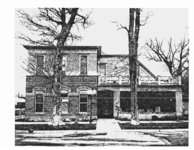
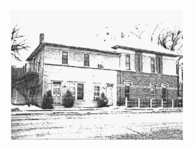
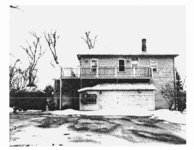
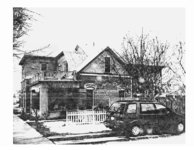
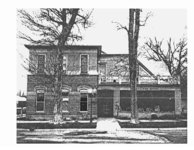
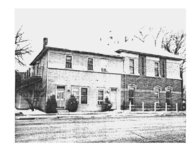
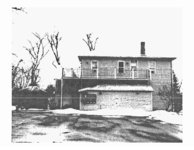
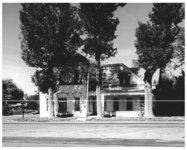
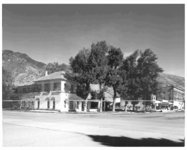
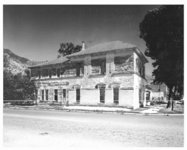
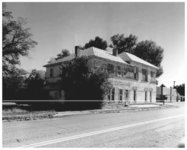
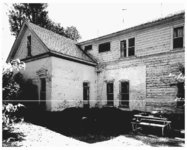
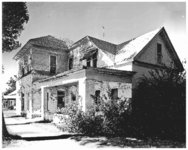
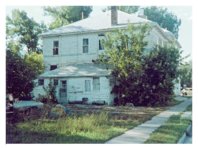
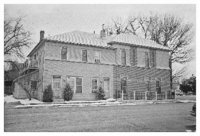
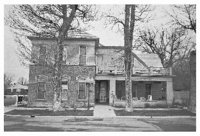
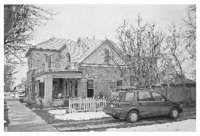
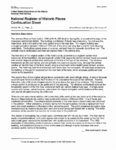
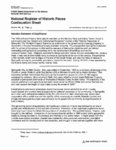
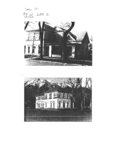
Show NPS Form 10-900-a Utah WordPerfect 5.1 Format (Revis ed Feb . 1993 ) OMB No . 10024 - 0018 United States Department of the Interior National Park Service National Register of Historic Places Continuation Sheet Section No . 8 Page # Kearns Hotel, Springville, Utah County, UT Narrative Statement of Significance The 1892 Kearns Hotel (also known as the Johnson Hotel, Manitou Hotel, and Valley Tavern Hotel at various times in its history) is significant under the "Growth and Commercial Expansion" context of the "Historic Resources of Springville City" Multiple Property Submittal as a reflection of the growth and increasing prosperity in Springville in the late nineteenth and early twentieth centuries. The changes that Springville underwent with the arrival of the railroad in Utah and the success of Springville industries such as railroad contracting and agricultural processing led to the development of buildings such as the Kearns Hotel, Originally operated by Moses and Ann Kearns Johnson, the hotel was one of three doing business in Springville at the turn of the century. The presence of the railroad, which had its depot at the end of 200 South Street, and later the influx of visitors in Springville arriving by automobile, provided a market for the hotel. The Hotel remained for many years one of the premier places of lodging in Springville, before closing in the early 1980s. In 1991, the building was renovated and is now operated as a historic bed and breakfast inn . Springville City, in Utah County, Utah, was settled in September, 1850 by a company of pioneers of the Church of Jesus Christ of Latter-Day Saints (LDS or Mormon Church) led by Aaron Johnson. 1 The colonizing families had crossed the plains during the summer as part of a train of 135 wagons captained by Johnson. Upon arriving in Utah, they were called by church leader Brigham Young to establish a permanent community on the banks of Hobble Creek, in Utah Valley. The suitability of the area for settlement and agriculture had been noted earlier by William Miller and James Mendenhall, who had traveled the length of Utah Valley during the winter of 1849. 2 Industrial and commercial enterprises during the pioneer period tended to be small in scale, locally-based, and oriented toward supplying the utilitarian essentials of the community. In Springville, as in other early settlements established by the LDS church in Utah, emphasis was placed upon cooperative efforts which ensured the viability of the community as a whole. Material luxuries and private monetary gain to a l Finley, Mary J. Publishing, 1989), 1. 2Finley, viii . Chase, A History of Springville (Springville, Utah: Art City |