| OCR Text |
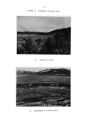
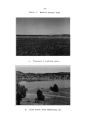
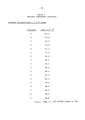
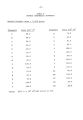
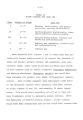
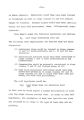
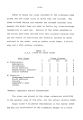
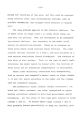
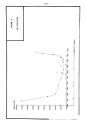
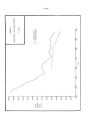
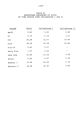
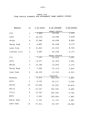
Show -245- herds were experiencing the consequences of serious deterioration of the range. The deterioration was probably due to overgrazing caused by the dramatic increase in the herds between 1879 and 1914. Overgrazing causes a shift in the floristic composition of the range. The occurrence of productive cool season grasses decreases while the less productive warm season grasses increase. If such grazing pressure continues, even warm season grasses soon disappear, being displaced by toxic weeds, unpalatable species, and bare ground (Abee, 1978:2). Spring or summer drought would have aggravated the effect of overgrazing. Data on AU's from the Upper Rio Grande watershed follow a similar pattern. There, the number of AU's yearly increased from close to 50,000 in 1826 to over 525,000 in 1904 (1) Animal Units (AU) are forage units, using ratios designed to compare the forage requirements of different types of stock. Cattle are given the ratio of 1 cow = 1AU, 1 horse = 1.5AU, and 1 sheep or goat = .2AU. When a time period is appended to the AU, this indicates the amount of forage required for an animal for that time period. All AU's in this chapter are computed as animal units yearly. and then decreased to close to 150,000 by 1950 (Dortignac, 1956, in Bohrer, 1975:204). The herd sizes increased yearly by 3.1% until 1904, when they decreased yearly by 2.7%. The rate of increase and decline in the Zuni and Upper Rio Grande areas are very similar. The decline in stock fig- |