| OCR Text |
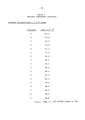
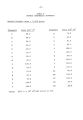
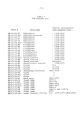
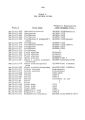
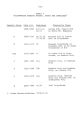
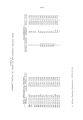
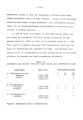
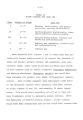
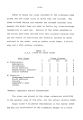
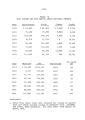
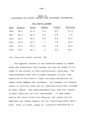
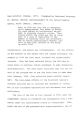
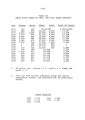
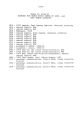
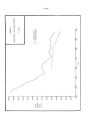
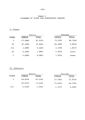
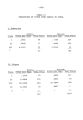
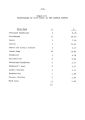
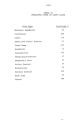
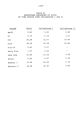
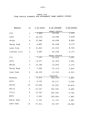
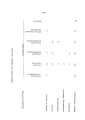
Show -90- Polychrome which is dated after A.D. 1300 (Breternitz, 1966: 77) but also types from the Puerco-Chaco series of the Cibola Whitewares, which are dated before A.D. 1125 (Breternitz, 1966:74,76,90). The complex is dated after A.D. 1300, ignoring the possibility of an earlier occupation. The rule is to ignore types previous to the begin date of the diagnostic type. Dating of the end of a. complex is no less problematical, which is in all cases argued from the absence of a type. This is a risky assumption with survey data and on small limited activity sites, where diagnostic painted types may be absent or too infrequent to be found. These shortcomings stem from a logical fallacy. The Yellowhouse ceramic analysis tries to aggregate sites within one occupation span, whereas one occupation span is by its nature a continuum. An example from the ADS survey data would make this clearer. Tables 8 and 9 list Z.A.P. dated sites from the Pescado and Nutria survey areas according to the dating given to the Yellowhouse ceramic group into which they fall. For example, sites Y2:292, Z2:69, 13:84, 13:86 and Z2:73 are dated by our analysis to A.D. 1050-1125. They would fall into the Yellowhouse ceramic group F, which is dated to the same time-span. Similarly, we have one site, Z2:68, which by our analysis fits Yellowhouse ceramic group G, and our date and the Yellowhouse date closely agree. A close fit between the two |