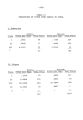
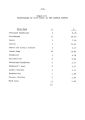
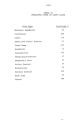
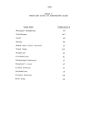
| OCR Text |
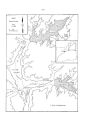
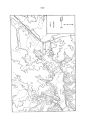
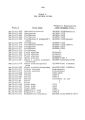
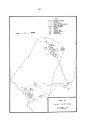
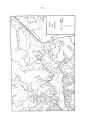
Show 12 historic sites, and 3 sites of unknown date. Thirty-one sites were found in the Nutria area: 20 prehistoric sites dating from A.D. 1050-1175, 9 historic sites, and 2 sites of unknown date. In addition, Lower Pescado Village, a large multi-component site in the Pescado survey area, was recorded and analyzed independently of the survey. Final statistical analysis showed that the sample is not reliable, as the highest site frequency projections are probably too high. Projections ranged from 756 to 1,035 sites in the Pescado area and from 97 to 457 sites in the Nutria area; actual site frequency is probably close to the lower projections. Sample data were generally not of sufficient number to adequately test the research hypotheses. Nevertheless, preliminary analysis does indicate the general utility of the chosen environmental factors for predicting site location. Soil substratum was not a useful variable. Land-slope was useful, and should be further tested. Site exposure data were too inconclusive for any verdict, and should be further tested. Data were also sufficient to test the topics in artifact analysis and interpretation. Differences in lithic raw material frequencies tend to vary according to site types and therefore may vary according to activities; this needs to be further tested. Ceramic data did demonstrate some of the pitfalls in dating sites from ceramic groups. The ethnohistories of farming and sheepherding examined the relationship of culture contacts and Zuni land-use and settlement patterns. Several variables were considered, including demography, technology, ecology, social structure, and external politics. A |