| OCR Text |
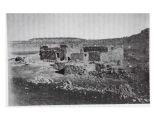
Show -170- between Zuni Pueblo and the farming districts remained unchanged during the subsequent peaceful periods in Zuni history. Peace and the First Ethnologists, 1870-1900 For the Zuni, 1870 until 1900 was a peaceful time of territorial re-expansion, stabilization of the population, and settlement of the farming districts. It was also a period of intimate and more frequent contacts with Americans. The Navajo had been largely pacified by the 1870's (Hart, JI. d.u.:80); although occasional depredations continued, the army garrison at Ft. Wingate assured a firm basis for peace. Relations with the fort were peaceful and profitable; Zunis sold wheat, corn, and livestock to the garrison (Hart, n.d. c.:42). Contacts with the Indian Service agent were sporadic as the office was in Santa Fe. The most significant new outside contacts the Zuni made were with a new breed of American scientists, the ethnologists. Frank Hamilton Cushing, ethnologist, went to live with the Zuni in 1879. He "lived in the pueblo for four and one-half years, learned the language, took active part in native life, and became a Bow Priest indeed a very important man in Zuni" (Pandey, 1972:322). Any history of Zuni must touch at some point on this man and his work. He is significant for a history of agriculture in Zuni because he was interested |