| Title |
John E. Osguthorpe, Salt Lake City, Utah: an interview by Becky B. Lloyd, June 24, 2004: Saving the Legacy tape no. 667 |
| Alternative Title |
John E. Osguthorpe, Saving the legacy: an oral history of Utah's World War II veterans, ACCN 2070, American West Center, University of Utah |
| Creator |
Osguthorpe, John E., 1916-2010 |
| Contributor |
Lloyd, Becky B.; University of Utah. American West Center |
| Publisher |
Digitized by J. Willard Marriott Library, University of Utah |
| Date |
2004-06-24 |
| Date Digital |
2015-12-16 |
| Access Rights |
I acknowledge and agree that all information I obtain as a result of accessing any oral history provided by the University of Utah's Marriott Library shall be used only for historical or scholarly or academic research purposes, and not for commercial purposes. I understand that any other use of the materials is not authorized by the University of Utah and may exceed the scope of permission granted to the University of Utah by the interviewer or interviewee. I may request permission for other uses, in writing to Special Collections at the Marriott Library, which the University of Utah may choose grant, in its sole discretion. I agree to defend, indemnify and hold the University of Utah and its Marriott Library harmless for and against any actions or claims that relate to my improper use of materials provided by the University of Utah. |
| Spatial Coverage |
Hawaii; New Hebrides; Guadalcanal, Solomon Islands; Australia; Admiralty Islands, Papua New Guinea; Philippines |
| Subject |
Osguthorpe, John E., 1916-2010--Interviews; Veterans--United States--Biography; World War, 1939-1945--Personal narratives, American; World War, 1939-1945--Naval operations, American; World War, 1939-1945--Aerial operations, American |
| Keywords |
Ammonium sulfate; Fertilizer; Sugar; Aviation mechanics; Gunnery; Marksmen; Flight crews; Reconnaissance |
| Description |
Transcript (61 pages) of an interview by Becky B. Lloyd with John E. Osguthorpe on June 24, 2004. From tape number 667 in the "Saving the Legacy" Oral History Project |
| Collection Number and Name |
Accn2070, Saving the Legacy oral history project, 2001-2010 |
| Abstract |
Osguthorpe (b. 1916) joined the Air Corps in April 1942, took training at Moffitt Air Base, dropped from the pilot training program and was discharged. He joined the Navy and was stationed in Hawaii as an aviation chief machinist's mate as part of a land-based heaving bombing squadron. He served in the New Hebrides, Guadalcanal, Australia, the Admiralty Islands, and Samar. Interviewed by Becky Lloyd. 61 pages. |
| Type |
Text |
| Genre |
oral histories (literary works) |
| Format |
application/pdf |
| Extent |
61 pages |
| Language |
eng |
| Rights |
 |
| Scanning Technician |
Mazi Rakhsha |
| Conversion Specifications |
Original scanned with Kirtas 2400 and saved as 400 ppi uncompressed TIFF. PDF generated by Adobe Acrobat Pro X for CONTENTdm display |
| ARK |
ark:/87278/s6j40vm8 |
| Topic |
Personal narratives--American; Veterans; World War (1939-1945); Military operations, Naval--American; Military operations, Aerial--American |
| Setname |
uum_slohp |
| ID |
1034974 |
| Reference URL |
https://collections.lib.utah.edu/ark:/87278/s6j40vm8 |
| Title |
Page 26 |
| Format |
application/pdf |
| Setname |
uum_slohp |
| ID |
1034938 |
| OCR Text |
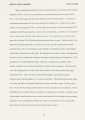
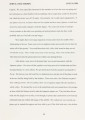
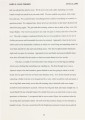
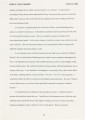
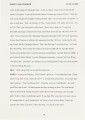
Show JOH .0 THORPE J 24 2 04 would cau e a scab, which was especially bad when it got into the n and ar . hi would not affect our ability to fly except when it got into our inner ear. It would greatly impair hearing and the equilibrium in the ears. It could rupture eardrums at high altitudes. On occasion, flight crews had to be broken up depending on the altitude the plane was to fly and substitutes made from other crews, which had men who could safely fly at that elevation. This was rather disruptive to crews, which flew together and worked easily together. To better understand how each squadron operated I shall explain more in detail its working. Each day from perhaps ten in the morning until ten at night each plane designated to fly that day was given a flight plan. The plan gave the time of take-off, direction to fly or the quadrant, the elevation, the distance to fly or flying time, and the gas load the plane carried. The plan included what to look for, like ships, subs, planes, and armament. Each plane flew low at different elevations and usually in different quadrants. Sometimes a plane left early, then another would hours later fly the same route and elevation. This was necessary to keep the Japanese confused as to what direction we were coming from. We were not in squadron. We were only lone longrange planes. If we were pursued by fighter planes, we usually had enough fire power to hold them at bay. We'd alter our course as we headed for base so they couldn't track us back to our base. This sometimes meant flying two or three hundred miles in the wrong direction until they could no longer follow us. Occasionally a plane would have to go so far, he'd barely have enough gas to make it home. Some planes were shot down by Japanese fighters. Probably some were lost at sea because they ran out of gas. This is 26 |
| Reference URL |
https://collections.lib.utah.edu/ark:/87278/s6j40vm8/1034938 |