| Title |
John E. Osguthorpe, Salt Lake City, Utah: an interview by Becky B. Lloyd, June 24, 2004: Saving the Legacy tape no. 667 |
| Alternative Title |
John E. Osguthorpe, Saving the legacy: an oral history of Utah's World War II veterans, ACCN 2070, American West Center, University of Utah |
| Creator |
Osguthorpe, John E., 1916-2010 |
| Contributor |
Lloyd, Becky B.; University of Utah. American West Center |
| Publisher |
Digitized by J. Willard Marriott Library, University of Utah |
| Date |
2004-06-24 |
| Date Digital |
2015-12-16 |
| Access Rights |
I acknowledge and agree that all information I obtain as a result of accessing any oral history provided by the University of Utah's Marriott Library shall be used only for historical or scholarly or academic research purposes, and not for commercial purposes. I understand that any other use of the materials is not authorized by the University of Utah and may exceed the scope of permission granted to the University of Utah by the interviewer or interviewee. I may request permission for other uses, in writing to Special Collections at the Marriott Library, which the University of Utah may choose grant, in its sole discretion. I agree to defend, indemnify and hold the University of Utah and its Marriott Library harmless for and against any actions or claims that relate to my improper use of materials provided by the University of Utah. |
| Spatial Coverage |
Hawaii; New Hebrides; Guadalcanal, Solomon Islands; Australia; Admiralty Islands, Papua New Guinea; Philippines |
| Subject |
Osguthorpe, John E., 1916-2010--Interviews; Veterans--United States--Biography; World War, 1939-1945--Personal narratives, American; World War, 1939-1945--Naval operations, American; World War, 1939-1945--Aerial operations, American |
| Keywords |
Ammonium sulfate; Fertilizer; Sugar; Aviation mechanics; Gunnery; Marksmen; Flight crews; Reconnaissance |
| Description |
Transcript (61 pages) of an interview by Becky B. Lloyd with John E. Osguthorpe on June 24, 2004. From tape number 667 in the "Saving the Legacy" Oral History Project |
| Collection Number and Name |
Accn2070, Saving the Legacy oral history project, 2001-2010 |
| Abstract |
Osguthorpe (b. 1916) joined the Air Corps in April 1942, took training at Moffitt Air Base, dropped from the pilot training program and was discharged. He joined the Navy and was stationed in Hawaii as an aviation chief machinist's mate as part of a land-based heaving bombing squadron. He served in the New Hebrides, Guadalcanal, Australia, the Admiralty Islands, and Samar. Interviewed by Becky Lloyd. 61 pages. |
| Type |
Text |
| Genre |
oral histories (literary works) |
| Format |
application/pdf |
| Extent |
61 pages |
| Language |
eng |
| Rights |
 |
| Scanning Technician |
Mazi Rakhsha |
| Conversion Specifications |
Original scanned with Kirtas 2400 and saved as 400 ppi uncompressed TIFF. PDF generated by Adobe Acrobat Pro X for CONTENTdm display |
| ARK |
ark:/87278/s6j40vm8 |
| Topic |
Personal narratives--American; Veterans; World War (1939-1945); Military operations, Naval--American; Military operations, Aerial--American |
| Setname |
uum_slohp |
| ID |
1034974 |
| Reference URL |
https://collections.lib.utah.edu/ark:/87278/s6j40vm8 |
| Title |
Page 3 |
| Format |
application/pdf |
| Setname |
uum_slohp |
| ID |
1034915 |
| OCR Text |
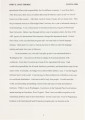
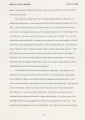
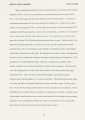
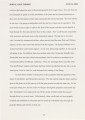
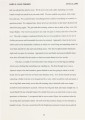
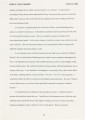
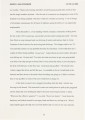
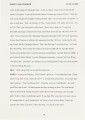
Show JOHN E. 0 GUTHORPE J 24 2004 agricultural officer with responsibility for five different countries. I went from th re ... After four years, there was a revolution there and the Marines came in and we were all kicked out of the country. After that, I went to Tunis, Tunisia, for two more years. Then the government sent me to Mississippi State University for a year of advanced training in seed technology. I was to head up the world seed production program at Mississippi State University. Before I got through with my year of academics there, the head of the AID, Agency for International Development, changed his department heads. He had fancy ideas, so he cancelled that program and I was sent back to French language training. I had spent two years in Tunisia and went to Morocco after the language training and spent four years in Morocco. In the meantime, my wife and I had split up and I was transferred back to Washington, DC. I was put in a division in charge of all seed production work worldwide. From there I worked up to head of the Agricultural Division. I had worldwide responsibility for all seeds, fertilizers, pesticides, and horticulture crops for the entire world. Eventually, my budget was a half a billion dollars a year. I was the biggest fertilizer buyer in the world. I was buying over three million tons of fertilizer every year for worldwide distribution. I also had a staff of only four people. I would travel the world, recommending and pushing various forms and types of seeds and chemical fertilizers. While I was in Washington, I went down to the National Plant Food Institute annual meeting in Greenbrier, West Virginia. There I was accorded recognition as the outstanding fertilizer man in the United States. Several years later, I was in Wageningen, Holland, at the International Seed Production program and was honored as the 3 |
| Reference URL |
https://collections.lib.utah.edu/ark:/87278/s6j40vm8/1034915 |