| Title |
John E. Osguthorpe, Salt Lake City, Utah: an interview by Becky B. Lloyd, June 24, 2004: Saving the Legacy tape no. 667 |
| Alternative Title |
John E. Osguthorpe, Saving the legacy: an oral history of Utah's World War II veterans, ACCN 2070, American West Center, University of Utah |
| Creator |
Osguthorpe, John E., 1916-2010 |
| Contributor |
Lloyd, Becky B.; University of Utah. American West Center |
| Publisher |
Digitized by J. Willard Marriott Library, University of Utah |
| Date |
2004-06-24 |
| Date Digital |
2015-12-16 |
| Access Rights |
I acknowledge and agree that all information I obtain as a result of accessing any oral history provided by the University of Utah's Marriott Library shall be used only for historical or scholarly or academic research purposes, and not for commercial purposes. I understand that any other use of the materials is not authorized by the University of Utah and may exceed the scope of permission granted to the University of Utah by the interviewer or interviewee. I may request permission for other uses, in writing to Special Collections at the Marriott Library, which the University of Utah may choose grant, in its sole discretion. I agree to defend, indemnify and hold the University of Utah and its Marriott Library harmless for and against any actions or claims that relate to my improper use of materials provided by the University of Utah. |
| Spatial Coverage |
Hawaii; New Hebrides; Guadalcanal, Solomon Islands; Australia; Admiralty Islands, Papua New Guinea; Philippines |
| Subject |
Osguthorpe, John E., 1916-2010--Interviews; Veterans--United States--Biography; World War, 1939-1945--Personal narratives, American; World War, 1939-1945--Naval operations, American; World War, 1939-1945--Aerial operations, American |
| Keywords |
Ammonium sulfate; Fertilizer; Sugar; Aviation mechanics; Gunnery; Marksmen; Flight crews; Reconnaissance |
| Description |
Transcript (61 pages) of an interview by Becky B. Lloyd with John E. Osguthorpe on June 24, 2004. From tape number 667 in the "Saving the Legacy" Oral History Project |
| Collection Number and Name |
Accn2070, Saving the Legacy oral history project, 2001-2010 |
| Abstract |
Osguthorpe (b. 1916) joined the Air Corps in April 1942, took training at Moffitt Air Base, dropped from the pilot training program and was discharged. He joined the Navy and was stationed in Hawaii as an aviation chief machinist's mate as part of a land-based heaving bombing squadron. He served in the New Hebrides, Guadalcanal, Australia, the Admiralty Islands, and Samar. Interviewed by Becky Lloyd. 61 pages. |
| Type |
Text |
| Genre |
oral histories (literary works) |
| Format |
application/pdf |
| Extent |
61 pages |
| Language |
eng |
| Rights |
 |
| Scanning Technician |
Mazi Rakhsha |
| Conversion Specifications |
Original scanned with Kirtas 2400 and saved as 400 ppi uncompressed TIFF. PDF generated by Adobe Acrobat Pro X for CONTENTdm display |
| ARK |
ark:/87278/s6j40vm8 |
| Topic |
Personal narratives--American; Veterans; World War (1939-1945); Military operations, Naval--American; Military operations, Aerial--American |
| Setname |
uum_slohp |
| ID |
1034974 |
| Reference URL |
https://collections.lib.utah.edu/ark:/87278/s6j40vm8 |
| Title |
Page 20 |
| Format |
application/pdf |
| Setname |
uum_slohp |
| ID |
1034932 |
| OCR Text |
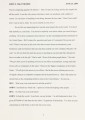
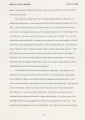
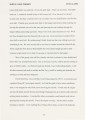
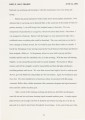
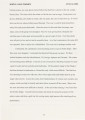
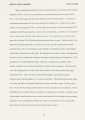
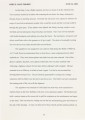
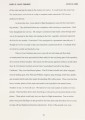
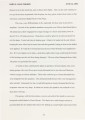
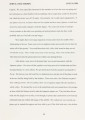
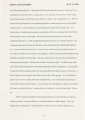
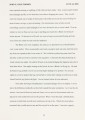
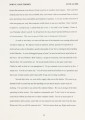
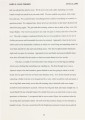
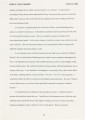
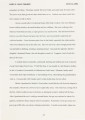
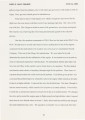
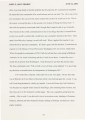
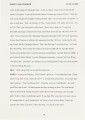
Show JOHN E. 0 GUTHORPE J 24 2 04 of the water and up the ramp by the means of a tractor. It would return th am way. The maintenance crew lived on a ship, a seaplane tender named the U. 'S urti , anchored in the bay. At about this time, I was called to flight headquarters and told they had made a big mistake. They had heard about my complaints while awaiting a commission. I had been shanghaied into service. My ensign's commission had finally come through and I was to be returned to the States for training in the fruit, vegetable, and meat inspection division for six months. From there I'd be reassigned to a permanent stateside post. I thought it over for a couple of days and turned the commission down. I'd already been involved in combat and decided to stay. Three or four Catalinas and crews were left at Ford Island and flew daily reconnaissance but more personnel had been added to the remaining part of the squadron, far in excess of those needed. The reason for this became apparent within a month when three B-24 Liberator bombers arrived from Consolidated Aircraft in San Diego, California. They were land-based planes. The B-24 had a double tail, short wingspan, tricycle landing gear, four Pratt and Whitney engines, large fuselage, bomb bay, doublegun mounted turrets and other single freestanding fifty caliber guns. These were the first heavy bomber planes of this make and model to be furnished to the armed forces. Needless to say, we were all eyes. We had never seen such a plane in reality or even a picture. They had been flown from San Diego to Hawaii by private pilots hired to ferry planes. Those pilots would only stay two days for flight instructions. Ten or twelve pilots were given briefings on the ground by the ferry pilots and then taken two at a time for take-off and landing instructions and practice. Some of the ground crew were 20 |
| Reference URL |
https://collections.lib.utah.edu/ark:/87278/s6j40vm8/1034932 |