| Title |
John E. Osguthorpe, Salt Lake City, Utah: an interview by Becky B. Lloyd, June 24, 2004: Saving the Legacy tape no. 667 |
| Alternative Title |
John E. Osguthorpe, Saving the legacy: an oral history of Utah's World War II veterans, ACCN 2070, American West Center, University of Utah |
| Creator |
Osguthorpe, John E., 1916-2010 |
| Contributor |
Lloyd, Becky B.; University of Utah. American West Center |
| Publisher |
Digitized by J. Willard Marriott Library, University of Utah |
| Date |
2004-06-24 |
| Date Digital |
2015-12-16 |
| Access Rights |
I acknowledge and agree that all information I obtain as a result of accessing any oral history provided by the University of Utah's Marriott Library shall be used only for historical or scholarly or academic research purposes, and not for commercial purposes. I understand that any other use of the materials is not authorized by the University of Utah and may exceed the scope of permission granted to the University of Utah by the interviewer or interviewee. I may request permission for other uses, in writing to Special Collections at the Marriott Library, which the University of Utah may choose grant, in its sole discretion. I agree to defend, indemnify and hold the University of Utah and its Marriott Library harmless for and against any actions or claims that relate to my improper use of materials provided by the University of Utah. |
| Spatial Coverage |
Hawaii; New Hebrides; Guadalcanal, Solomon Islands; Australia; Admiralty Islands, Papua New Guinea; Philippines |
| Subject |
Osguthorpe, John E., 1916-2010--Interviews; Veterans--United States--Biography; World War, 1939-1945--Personal narratives, American; World War, 1939-1945--Naval operations, American; World War, 1939-1945--Aerial operations, American |
| Keywords |
Ammonium sulfate; Fertilizer; Sugar; Aviation mechanics; Gunnery; Marksmen; Flight crews; Reconnaissance |
| Description |
Transcript (61 pages) of an interview by Becky B. Lloyd with John E. Osguthorpe on June 24, 2004. From tape number 667 in the "Saving the Legacy" Oral History Project |
| Collection Number and Name |
Accn2070, Saving the Legacy oral history project, 2001-2010 |
| Abstract |
Osguthorpe (b. 1916) joined the Air Corps in April 1942, took training at Moffitt Air Base, dropped from the pilot training program and was discharged. He joined the Navy and was stationed in Hawaii as an aviation chief machinist's mate as part of a land-based heaving bombing squadron. He served in the New Hebrides, Guadalcanal, Australia, the Admiralty Islands, and Samar. Interviewed by Becky Lloyd. 61 pages. |
| Type |
Text |
| Genre |
oral histories (literary works) |
| Format |
application/pdf |
| Extent |
61 pages |
| Language |
eng |
| Rights |
 |
| Scanning Technician |
Mazi Rakhsha |
| Conversion Specifications |
Original scanned with Kirtas 2400 and saved as 400 ppi uncompressed TIFF. PDF generated by Adobe Acrobat Pro X for CONTENTdm display |
| ARK |
ark:/87278/s6j40vm8 |
| Topic |
Personal narratives--American; Veterans; World War (1939-1945); Military operations, Naval--American; Military operations, Aerial--American |
| Setname |
uum_slohp |
| ID |
1034974 |
| Reference URL |
https://collections.lib.utah.edu/ark:/87278/s6j40vm8 |
| Title |
Page 6 |
| Format |
application/pdf |
| Setname |
uum_slohp |
| ID |
1034918 |
| OCR Text |
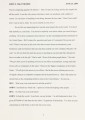
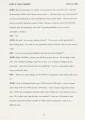
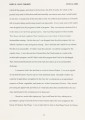
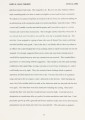
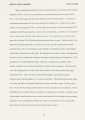
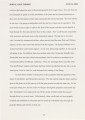
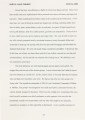
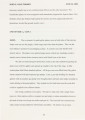
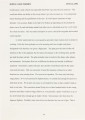
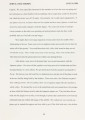
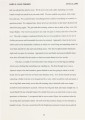
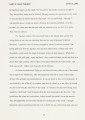
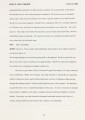
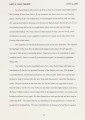
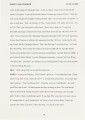
Show JOHN E. 0 GUTHORPE J 24 2004 learn everything they can about you so they get the advantage of being able to talk to y u. They say we know this and we know that about you." They were already coming to me and I figured out that it was because it was about the time when they were going to start doing the buying of sugar throughout the world. They figured the USA was coming on the market to buy sugar. They figured I was Agriculture. I was State Department. I was high up. I must be on the Sugar Board. So they all started loving me. Boy, they offered me everything you can think of. "Will you do this?" "Will you think about that?" I just sat and smiled at my daughter and said, "They think that I'm on the sugar buying board and I'm not." But I never said a word about anything. I'd just smile and say, "Yes, yes, yes," and say nothing. By doing that, they'd tell me more and I'd know more. They'd try to get a little bit more out of me. They'd tell me a little bit more of what I was not supposed to know and try to get some more information out of me. Pretty soon, I was pretty well versed with most of the big countries and companies. Buying all this fertilizer, the big companies had to depend on me to know what they were producing because I'd buy so much fertilizer that if I bought too much, I'd be competing against the United States farmers. So I had to make sure that I didn't buy more than what was available and what I thought could be available. So all these big fertilizer companies had to send to my home in Washington, DC, not to my office, all the information, on what their production was, how much they had in storage, what they expected to produce. I'd compile it all from twelve or thirteen companies. There was maybe 100,000 tons of ammonium sulfate. These were sixty or seventy thousand tons of triple super phosphate or anything like that. Then I say, "All right. How much are you going to need for US farmers?" Then I'd say, "I will not buy until you've listed all your local requirements so 6 |
| Reference URL |
https://collections.lib.utah.edu/ark:/87278/s6j40vm8/1034918 |