| Title |
Arthur A. Astle, North Ogden, Utah: an interview by Winston P. Erickson, July 16, 2003: Saving the Legacy tape no. 516 |
| Alternative Title |
Arthur A. Astle, Saving the legacy: an oral history of Utah's World War II veterans, ACCN 2070, American West Center, University of Utah |
| Creator |
Astle, Arthur A., 1915-2008 |
| Contributor |
Erickson, Winston P., 1943-; University of Utah. American West Center |
| Publisher |
Digitized by J. Willard Marriott Library, University of Utah |
| Date |
2003-07-16 |
| Date Digital |
2015-12-16 |
| Access Rights |
I acknowledge and agree that all information I obtain as a result of accessing any oral history provided by the University of Utah's Marriott Library shall be used only for historical or scholarly or academic research purposes, and not for commercial purposes. I understand that any other use of the materials is not authorized by the University of Utah and may exceed the scope of permission granted to the University of Utah by the interviewer or interviewee. I may request permission for other uses, in writing to Special Collections at the Marriott Library, which the University of Utah may choose grant, in its sole discretion. I agree to defend, indemnify and hold the University of Utah and its Marriott Library harmless for and against any actions or claims that relate to my improper use of materials provided by the University of Utah. |
| Spatial Coverage |
Hawaii; Saipan, Northern Mariana Islands; Tinian, Northern Mariana Islands; Philippines; Okinawa, Japan |
| Subject |
Astle, Arthur A., 1915-2008--Interviews; Veterans--Utah--Biography; World War, 1939-1945--Personal narratives, American; World War, 1939-1945--Military operations, American; World War, 1939-1945--Campaigns--Pacific Area--Personal narratives, American; Leyte Gulf, Battle of, Philippines, 1944--Personal narratives, American |
| Keywords |
Great Depression; National Guard |
| Description |
Transcript (59 pages) of an interview by Winston P. Erickson with Arthur A. Astle on July 16, 2003. From tape number 516 in the "Saving the Legacy" Oral History Project |
| Collection Number and Name |
Accn2070, Saving the Legacy oral history project, 2001-2010 |
| Abstract |
Astle (b. 1915) was born in Montana. He discusses his childhood and the Depression. He joined the 222nd Field Artillery Utah National Guard Unit and took training near San Diego, California; Fort Lewis, Washington; and later at Stoneman, California. He shipped to Hawaii onboard the USS Republic and was based in Maui at the message center. Shipped to Saipan and Tinian for combat and later fought in Leyte and finally Okinawa. Following his discharge, he worked for Standard Oil, and in other oil-related industries. Interviewed by Winston P. Erickson. 59 pages. |
| Type |
Text |
| Genre |
oral histories (literary works) |
| Format |
application/pdf |
| Extent |
59 pages |
| Language |
eng |
| Rights |
 |
| Scanning Technician |
Mazi Rakhsha |
| Conversion Specifications |
Original scanned with Kirtas 2400 and saved as 400 ppi uncompressed TIFF. PDF generated by Adobe Acrobat Pro X for CONTENTdm display |
| ARK |
ark:/87278/s68h0nsb |
| Topic |
Personal narratives--American; Veterans; World War (1939-1945); Leyte Gulf, Battle of (Philippines : 1944) |
| Setname |
uum_slohp |
| ID |
1026929 |
| Reference URL |
https://collections.lib.utah.edu/ark:/87278/s68h0nsb |
| Title |
Page 46 |
| Format |
application/pdf |
| Setname |
uum_slohp |
| ID |
1026915 |
| OCR Text |
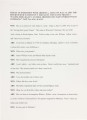
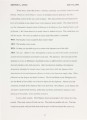
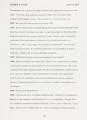
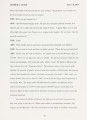
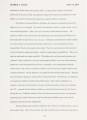
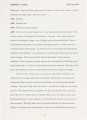
Show ARTHUR A. A TLE J 1 2 Artillery Group) with a total of thirteen battalions of field artillery. The battalion ~ ere armed with a mix of different calibers: The 145th, 198th and Mr. Astle ' 225tlz Field Artillery Battalions ( 155mm howitzer); 26th, 531 stand 53 2nd Field Artillery Battalion ( 155mm gun); 287th Field Artillery Battalion (Observation); 421 st Field Artillery Battalion (4.5in rocket); 749th and 750th Field Artillery Battalions (8-inch howitzer); and the 38th, 179th and 282nd Coastal Artillery Battalions ( 155mm gun). The howitzers of the 225ch FA Battalion would have been positioned about five to eight miles in the rear of the infantry's front lines where they were safe from small arms fire, but not quite out of range of the Japanese artillery.] We were shelled a couple of times on Okinawa. The Japs just threw some artillery at us and the shells landed in our battalion headquarters, Headquarters Battery and ruined three radio jeeps, the shells did, but no men were killed. We were so fortunate that way, I don't know how come. WIL: How about your prisoner? ART: Oh, (laughs) do you want me to tell him about that? This is a little per onal experience I had with the enemy on the island of Tinian. I have to back up to Tinian because that's where the incident happened. After our operations were over, there were always a few Japanese stragglers left, holed up in the caves or who knows wherever they'd hang out. [Editor's note: The island-hopping campaign left hundreds of fugitive Japanese soldiers stranded behind Allied lines. For months after the Marianas Islands were supposedly secured, it was unsafe for Gls to go into certain remote areas on those islands because of the armed Japanese stragglers hiding in the caves and jungles. Many of these isolated Japanese held out for years and a few held out for decades after the war.] Well, after the Tinian operation, I guess, about five or six days after, our battalion executive officer-he was Major Ross. He was from Los Angeles, California. He was 46 |
| Reference URL |
https://collections.lib.utah.edu/ark:/87278/s68h0nsb/1026915 |