| Title |
Arthur A. Astle, North Ogden, Utah: an interview by Winston P. Erickson, July 16, 2003: Saving the Legacy tape no. 516 |
| Alternative Title |
Arthur A. Astle, Saving the legacy: an oral history of Utah's World War II veterans, ACCN 2070, American West Center, University of Utah |
| Creator |
Astle, Arthur A., 1915-2008 |
| Contributor |
Erickson, Winston P., 1943-; University of Utah. American West Center |
| Publisher |
Digitized by J. Willard Marriott Library, University of Utah |
| Date |
2003-07-16 |
| Date Digital |
2015-12-16 |
| Access Rights |
I acknowledge and agree that all information I obtain as a result of accessing any oral history provided by the University of Utah's Marriott Library shall be used only for historical or scholarly or academic research purposes, and not for commercial purposes. I understand that any other use of the materials is not authorized by the University of Utah and may exceed the scope of permission granted to the University of Utah by the interviewer or interviewee. I may request permission for other uses, in writing to Special Collections at the Marriott Library, which the University of Utah may choose grant, in its sole discretion. I agree to defend, indemnify and hold the University of Utah and its Marriott Library harmless for and against any actions or claims that relate to my improper use of materials provided by the University of Utah. |
| Spatial Coverage |
Hawaii; Saipan, Northern Mariana Islands; Tinian, Northern Mariana Islands; Philippines; Okinawa, Japan |
| Subject |
Astle, Arthur A., 1915-2008--Interviews; Veterans--Utah--Biography; World War, 1939-1945--Personal narratives, American; World War, 1939-1945--Military operations, American; World War, 1939-1945--Campaigns--Pacific Area--Personal narratives, American; Leyte Gulf, Battle of, Philippines, 1944--Personal narratives, American |
| Keywords |
Great Depression; National Guard |
| Description |
Transcript (59 pages) of an interview by Winston P. Erickson with Arthur A. Astle on July 16, 2003. From tape number 516 in the "Saving the Legacy" Oral History Project |
| Collection Number and Name |
Accn2070, Saving the Legacy oral history project, 2001-2010 |
| Abstract |
Astle (b. 1915) was born in Montana. He discusses his childhood and the Depression. He joined the 222nd Field Artillery Utah National Guard Unit and took training near San Diego, California; Fort Lewis, Washington; and later at Stoneman, California. He shipped to Hawaii onboard the USS Republic and was based in Maui at the message center. Shipped to Saipan and Tinian for combat and later fought in Leyte and finally Okinawa. Following his discharge, he worked for Standard Oil, and in other oil-related industries. Interviewed by Winston P. Erickson. 59 pages. |
| Type |
Text |
| Genre |
oral histories (literary works) |
| Format |
application/pdf |
| Extent |
59 pages |
| Language |
eng |
| Rights |
 |
| Scanning Technician |
Mazi Rakhsha |
| Conversion Specifications |
Original scanned with Kirtas 2400 and saved as 400 ppi uncompressed TIFF. PDF generated by Adobe Acrobat Pro X for CONTENTdm display |
| ARK |
ark:/87278/s68h0nsb |
| Topic |
Personal narratives--American; Veterans; World War (1939-1945); Leyte Gulf, Battle of (Philippines : 1944) |
| Setname |
uum_slohp |
| ID |
1026929 |
| Reference URL |
https://collections.lib.utah.edu/ark:/87278/s68h0nsb |
| Title |
Page 41 |
| Format |
application/pdf |
| Setname |
uum_slohp |
| ID |
1026910 |
| OCR Text |
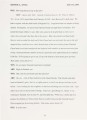
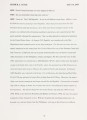
Show ARTHUR A. ASTLE J 16 200 air attacks. Kamikazi tactics were refined accordingly. Kamikaze would no longer come in one or two at a time. Instead, kamikazes, bombers and Zero fighter would descend on the American fleet in a series of mass waves. The first wave would be sacrificed to expend the fuel and ammunition of the American fighters guarding the fleet. Successive waves following shortly thereafter would then attack the unprotected ships. If the Americans responded by flying their fighters in overlapping shifts, the total number of American fighters defending the fleet at any given time would be reduced allowing more kamikazes to get through. As the battle progressed, the Japanese tactics worked better than they had hoped. During more than two and a half months of vicious fighting on and around Okinawa, 12,513 Americans were killed in action, 38,916 were wounded in action, 33,096 noncombat losses were sustained, seventy-nine ships were sunk or damaged so badly they had to be scrapped and 763 US aircraft were lost. As expected, the entire Japanese defensive force was lost. 66,000 soldiers were killed or missing, 17,000 were wounded, 7,455 were captured, 16 Japanese ships were sunk and scrapped and 3,130 Japanese aircraft were destroyed. In addition, at least 150,000 Okinawan civilians were killed or went missing. In the aftermath of the battle, American war planners, evaluating the huge losses sustained during the Okinawa campaign, concluded that the conquest of the Japanese home islands would take at least another year and would cost at least a million American casualties. President Truman knew that extending the war a whole year was not politically or morally acceptable and sustaining another million casualties was not something the American would accept. By July 1945, the bloody Japanese strategy for forcing a negotiated peace settlement was on the verge of success. Then American scientists handed Truman a tool 41 |
| Reference URL |
https://collections.lib.utah.edu/ark:/87278/s68h0nsb/1026910 |