| OCR Text |
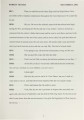
Show ROBERT THAYER D R 2 2 ROB: We're good friends now. We played golf for the last ten r fift n years together when he comes up to Salt Lake. He stayed in the service incid ntally. H never did get out. BEC: Oh, he made a career of it? ROB: He made a career out of it, and he's a full colonel. But you've got to meet him. He's outgoing and one of the nicest people I know. BEC: ROB: BEC: ROB: BEC: ROB: Well, I hope he'll meet with me. I'll get him; I'll nail him. That would be great. Now, where were we? We were talking about D-day, how it changed your morale. The whole base seemed, from then on, you could see the end was in sight. Before that it just looked like it could go on forever and the morale, you know, you get pretty low when you think, Gosh, how long can this go on? I remember the old saying they used to say: "Golden Gate in '48." Well, gee, 1948 seemed like forever away. So we had both wars to take care of, both theaters, I should say, but the morale of our base just went sky high after D-day. From then on-by then, too, we had pretty well controlled the skies. Now this Bob Erickson, his case was indicative of what happened. When we first started flying over to Europe, the spitfires would take us to about the middle of the Channel, and then they came back; that was about their range. So the bombers were on their own and, oh, the German fighters just raised hell, to be frank with you-excuse the French-but that's exactly what happened. Then our P-47s, that was the big-nosed fighter, had a limited range but it took us on in to France, and into Belgium, and into 46 |