| OCR Text |
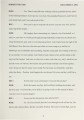
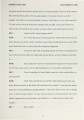
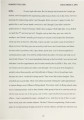
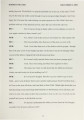
Show ROBERT THAYER D B R 2002 But once we got overseas they changed the communications s cti n entirely. Instead of each squadron officer having all these various duties they coordinated it so that the group communications officer oversaw the four other officers, and he assigned them to various duties. One of them was assigned to the base, and he took care of all the radio, the base radio, like we had DF stations-that's direction-finding stations-he took care of those, the Teletype and the telephone. The other officer took care of all the radio maintenance in the aircraft. He did all-and he had about fifty men under him. The other officer had about twenty-five or thirty, and that included telephone repairmen, because we had to actually, when we got on our base, it was a British base, but we had to install a lot of telephones because our unit required more telephones than they had. And we used those old field phones, so we were stringing wire and doing that all over the base. And the third officer had charge of all the training. He had a school where he trained all the radio operators, all the navigators and all the pilots. They'd have to come and go through a certain amount of training. The fourth officer, which was my job, I came in as Assistant Group Officer. I helped the Group Communication Officer, and I was right in his office with him. But he was only with us about three months, and then he got a promotion up to wing; he went to wing headquarters. Then I became the Group Communications Officer. BEC: You then did eventually get to where you were over all of it? ROB: Over all of it. And the Group Communications Officer not only had to oversee all the other programs, but he was responsible for briefing the crews. And you also maintained your office, and what we called the Flimsy Office up on the line, where 18 |