| OCR Text |
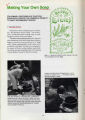
Show Making Your Own Soap FOLLOWING A CENTURIES-OLD TRADITION, SOPHIE PEOPLE PREFER THE HOMEMADE PRODUCT TO FANCY SUPERMARKET BRANDS BY MIRIAM B. MURPHY People have been making soap for centuries. The Roman writer Pliny "the Elder" (A.D. 23-79) described making soap by boiling goat's tallow with wood ashes. The home soapmaking tradition in America was widespread until after 1800 when industry began to produce soap products on a large scale. These commercially made soaps were available in the West, but they were expensive. So, many of Utah's earliest settlers made their own soap and also experimented with making various kinds of soaps for the local market. SF\IT LAK^ (JJV CJTAH MRS. L. I. BRADLEY MADE FANCY SOAPS FOR THE UTAH MARKET IN THE 1890S. THELMA MCBRIDE, FOREGROUND, LEARNED TO MAKE SOAP ASAGIRLIN IDAHO. HERE,SHEAND HER NEIGHBOR KAREN SHORES STRAIN MELTED GREASE INTO DISSOLVED LYE MIXTURE. PROCESS IS BEST DONE OUTDOORS BECAUSE OF FUMES AND DANGER OF SPILLS. KAREN SHORES ADDS COMMERCIAL LYE TO WATER TO DISSOLVE IT - THE FIRST STEP IN SOAPMAKING AT HOME. 16 LYE AND GREASE MIXTURE IS STIRRED BY MRS. MCBRIDE UNTIL IT BEGINS TO "SET UP." BRIGHTENERS SUCH AS BORAX ARE OFTEN ADDED TO HOMEMADE SOAP. David Fackrell supervised the soapmaking for the United Order of Orderville. First, the men cut down several cottonwood trees and on a cleared patch of ground burned the wood until nothing but ashes remained. The cooled ashes were placed in wooden leaching troughs and water poured over them. The water leached out the alkali in the ashes and dripped into a barrel. This liquid was combined with grease saved from cooking or rendered from animal fat. When these two key ingredients were boiled together for a short time the end product was a strong lye soap that was used to wash everything in a pioneer home, including the pioneer. Some people say that these crude lye soaps would almost take a man's hide off. Although many pioneer households continued to make their own soap, enterprising individuals began to set up commercial soap factories. Jacob Ornstein and Charles Popper opened the Great Western Soap and Lye Factory in Salt Lake City in the late 1860s. The two men were butchers, and soap made from animal fat was a natural by-product of their business. Ornstein and Popper claimed that their factory could turn out 30,000 pounds of soap a week. They invited customers to compare their prices with the price of soaps imported from the East. The Deseret News praised Great Western's soaps for their quality and variety. Some of the soaps contained ingredients such as palm oil or coconut oil and were kinder to the human skin than the strong, homemade lye soaps. Although hundreds of different soaps and detergents can be purchased today, some Utahns still like to make their own laundry soap by a process that has changed little since Pliny's time. Ms. Murphy is editor of Beehive History and associate editor of Utah Historical Quarterly. MRS. MCBRIDE DISPLAYS FINISHED PRODUCT. SHE LETS SOAP AGE FOR ABOUT A YEAR. THE HARDENED SOAP IS GRATED WHEN USED IN WASHING MACHINE. 17 |