| OCR Text |
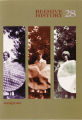
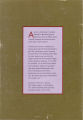
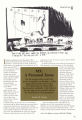
Show In comparison to other parts of the world, Utah bears few fresh battle scars. Yet the development of weapons here has played an important role in the history of the state - and the world. Prehistoric peoples used atlatls, arrows and other weapons for hunting. Like almost all humans, they also sometimes used weapons to harm each other. Later indigenous peoples - along with trappers, explorers, traders, pioneers, soldiers and miners - had various weapons and used them for hunting, defense, and sometimes aggression. As technologies grew more complex, Utahns invented and produced weapons that had worldwide significance. Utah- invented machine guns killed thousands during the world wars. The crew that bombed Hiroshima trained here. Bombs, missiles and chemical weapons developed and tested here played large roles in other wars, including Vietnam and the Cold War. As this issue goes to press, the United States is again building its military might. Gun- control and gun- rights advocates passionately defend their stances. The incineration of chemical weapons continues to arouse controversy. The President has mentioned the possibility of using nuclear weapons. There is no denying that weapons continue to loom large in our lives. On the cover: The Pectol Shields, ancient buffalo hide shields found near Capitol Reef by Ephraim Pectol in 1926. Radiocarbon dating puts them at 1420- 1 640 A. D., making them the earliest leather shields ever found in North America. Navajos claim, based on oral tradition, that the shields are ceremonial obiects that belong to their tribe. The Ute Mountain Ute Tribe also claims them, since they were found in Ute territory. Experts agree that the shields don't resemble Navajo shields from the period. |