| OCR Text |
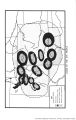
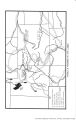
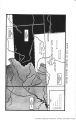
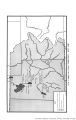
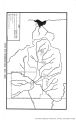
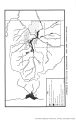
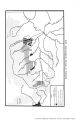
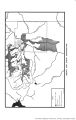
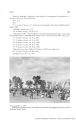
Show 128 Years of Loss, Years of Adjustment, 1882-1933 Land Loss The effect of the allotment policy on the Ute economic activities was disastrous. Formerly the Uintah had farmed and raised cattle. Now their usable land was limited. In consequence, they became more dependent upon government support. They and the White Rivers and Uncompahgre felt hemmed in. Being assigned to a piece of land meant fencing the land, keeping the cattle from roaming, daily tending the fields â€" concepts alien to most Ute tradition. And the allotment policy removed People from friends and relatives who had previously lived together in local groups. The lack of understanding and limited guidance and assistance by government officials produced resentment and confusion. Within fifteen years People had sold or leased thirty-thousand acres of the best Ute agricultural land. Much of this land was then over-irrigated until it became alkaline. Other lands were used for livestock and were over-grazed. Thus, the People lost additional lands which were then lost to all through erosion and waste.32 Irrigation Projects In 1906 the Federal Government passed an act authorizing the construction of the Uintah Indian Irrigation Project. It was rejected by the People but supported by settlers who moved onto the opened Ute lands. The Bureau of Indian Affairs hoped it would encourage family farming among the People. This project eventually covered eighty thousand acres and contained twenty-two canal systems, which diverted water from all the streams in the Basin. No storage facilities were created â€"just diversions. A program was begun to level, clear, plow, and fence the Indian allotments to get them into cultivation. Tribal funds were used for this purpose. By 1908 over $330,000 had been spent on the irrigation project; less than $7,000 had been paid to Indian workers.33 Many Ute People who wanted to maintain their tribal group life on the reservation â€" hunting and fishing â€" refused to dig canals or to farm. Others did so but sold the lands as soon as they were ready for farming. Out of the eighty thousand acres within the irrigation |