| OCR Text |
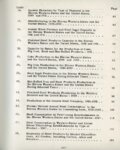
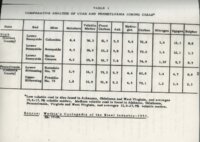
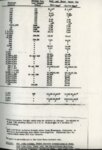
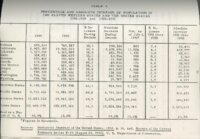
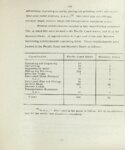
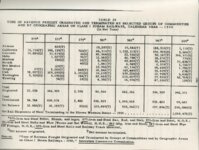
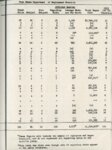
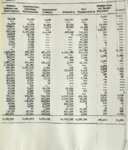
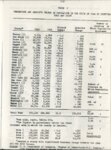
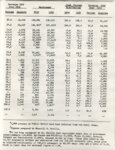
Show 88 periods. ith an of such By 1951, there annual of capacity capacity were net tons 3,493,200 per cent over annually, which approximated c·ompared creased 111.8 per cent, a whole. During 1950, pig steel furnaces lion net tons. The were to for the Company plant products, was to steel produce fi;nished of these plants L. such were in the West in charge country, Western approximating Ashby, products. types two mil Capacity no, which tubing, at the Colorado Fuel in rails and types shapes. of railThe diversified in their capacity Approximately devoted to the or products and bars and bar size more capacity Little, of steel tin-plate, pipe heavily somewhat products. was as strip. products, Over two thirds of the 29Jack of certain concentrated wire and wire plants . exist- capacity In the pre-war years western sheet and Pacific Coast steel shapes. each 5,956,520 of the West, and the United States, in production consumed in large amounts, capacity risen to per cent for the range of finished steel a narrow structural shapes, plate, road only 18.8 for the first time, equal Rolling Mill capacity confined to &. Iron ingot capacity 20. 7 per cent only 29 capacity existed were to 50 7 per cent of such iron and scrap used to 1938 and 1951 appears in Table 17. was Western blast furnace 1941, compared Steel 5 per cent pig iron, nearly By 1951, Western steel ingot capacity had i ng in the United States in that year. as net tons of then in existence in the nation. capacity increased 259.4 for the nation. eleven blast furnaces in the Western States half of the pre-war production remaining capacity of bars and bar size was for the production Vice President and General Manager Corp., "Growth In Western Steel Production Assured by Materials," Western Metals, Vol. 9, No. 12, Adequate (Dec. 1951), p. 29. Kaiser Steel· Raw |